


.png)

Custom Wood Furniture Design Consultation: A Complete Guide
Table of Contents
What Happens During a Custom Wood Furniture Design Consultation
The Custom Wood Furniture Design Process: From Vision to Finished Piece Initial Assessment and Space Planning Design Development and Material Selection Craftsmanship and Building
Initial Assessment and Space Planning
Design Development and Material Selection
Craftsmanship and Building
Best Custom Furniture Makers in Nashville: What Sets Artisan Craftsmen Apart
Cost of Custom Handcrafted Furniture: Understanding the Investment
Why Custom Consultation Beats Off-the-Shelf Furniture
Getting Started: How to Prepare for Your Design Consultation
Conclusion
What Happens During a Custom Wood Furniture Design Consultation
A custom wood furniture design consultation is where your vision meets the craftsman's expertise. During this initial meeting, the furniture maker listens to your needs, assesses your space, and begins translating your ideas into a tangible design plan. This collaborative discovery process determines whether a custom piece will actually work for your home.
The consultation starts with questions about your lifestyle and how you use your space: How do you entertain? What's your daily routine? Are you planning to move or stay long-term? These details shape every decision downstream, from wood selection to joinery methods to finishing options.
Next comes the practical assessment. The furniture maker measures your space, noting lighting conditions, architectural features, and how existing pieces relate to the proposed custom piece. A desk that looks perfect in a showroom might overwhelm a small office with poor natural light. This is where custom work proves its value: the piece is designed for YOUR space, not a generic room.
At Richard Gentry Designs, this phase includes reviewing wood samples and discussing grain patterns, stain colors, and hardware finishes. You're exploring options that reflect your aesthetic and practical needs. The craftsman explains how different woods age, how grain patterns affect visual weight, and which finishing techniques will hold up to your household's actual use.

The consultation concludes with a clear understanding of scope, timeline, and next steps.
Pro Tip Bring reference images, fabric swatches, or photos of your actual space. Specific examples, a particular table leg style, a color palette from a magazine, exact measurements of the corner you're filling, accelerate the design process and ensure the final piece matches your vision.
The Custom Wood Furniture Design Process: From Vision to Finished Piece
Once the consultation confirms mutual fit, the real work begins. The custom wood furniture design process unfolds in stages, each building on the previous one.
Initial Assessment and Space Planning
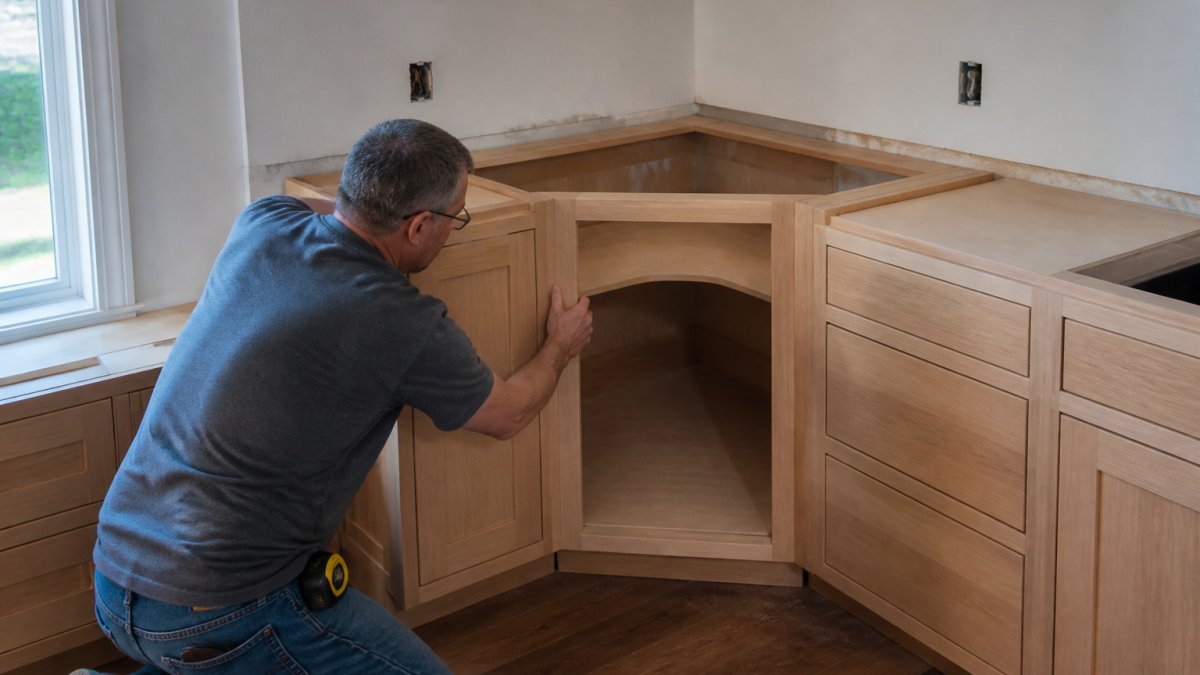
The furniture maker creates preliminary sketches or digital renderings based on your measurements and preferences. Design constraints become clear: that awkward corner angle, doorway clearance, electrical outlet placement.
A good craftsman presents multiple design directions, not just one. You might see traditional farmhouse, modern minimalist, and transitional hybrid approaches. Each respects your space and needs but offers different aesthetic outcomes. This range helps you discover what truly resonates.
Material sourcing happens in parallel. Wood selection matters profoundly for a piece you'll love for decades. The craftsman evaluates available lumber for grain character, color consistency, and stability. Some pieces demand quartersawn oak for its dramatic ray fleck; others benefit from the subtle warmth of cherry or walnut.
Design Development and Material Selection
Once you've approved a direction, the design evolves into working drawings. The furniture maker specifies joinery methods, hardware, and construction sequences. You're reviewing actual technical plans that govern how the piece will be built.
Material selection deepens here. If you've chosen solid wood, the craftsman discusses grain orientation, color matching across boards, and how the wood will move with seasonal humidity changes. The finishing phase gets detailed attention too. Stain samples are applied to your chosen wood and allowed to cure so you see the actual color. You evaluate sheen levels, matte, satin, or gloss, and discuss how each performs in your specific lighting and with your household's maintenance habits.
Key Takeaway The design phase typically involves 2-4 rounds of refinement before moving to construction. This ensures every detail aligns with your vision and the physical constraints of your space.
Craftsmanship and Building
Once design and materials are finalized, construction begins. Each joint is cut, fit, and refined by hand. Drawers are built to move smoothly without hardware guides. Doors are hung so they close with a soft click.
The building phase takes longer than mass-production timelines because rushing handcrafted work introduces mistakes that finishing cannot hide. A poorly cut mortise and tenon joint will eventually fail. Wood that's glued before acclimating to your home's humidity will warp. A craftsman's timeline reflects the reality of the work.
Quality checkpoints happen throughout construction. Before assembly, each component is inspected. After glue-up, the piece cures fully. Before finishing, surfaces are sanded to a smoothness that machine sanders cannot achieve. This methodical approach results in a piece that will outlast furniture built in a fraction of the time.
Best Custom Furniture Makers: What Sets Artisan Craftsmen Apart
Not all custom furniture makers operate at the same level. The difference between a competent woodworker and a true craftsman shows in details most people don't consciously notice but feel immediately when they sit at a desk or open a drawer.
Experience matters enormously. A maker with 25 years of practice has encountered problems you haven't imagined and solved them in ways that prevent future issues. They understand wood behavior across seasons and know which joinery methods hold up under real-world use.
The best makers cultivate relationships with material suppliers. They don't buy whatever lumber is available; they work with mills and reclaimed wood sources to access the specific wood a project demands. This sourcing network is built over years.
Communication and design collaboration distinguish exceptional makers. They listen more than they talk. They ask clarifying questions that reveal what you actually need versus what you think you want. They push back respectfully when a design choice won't serve you well.
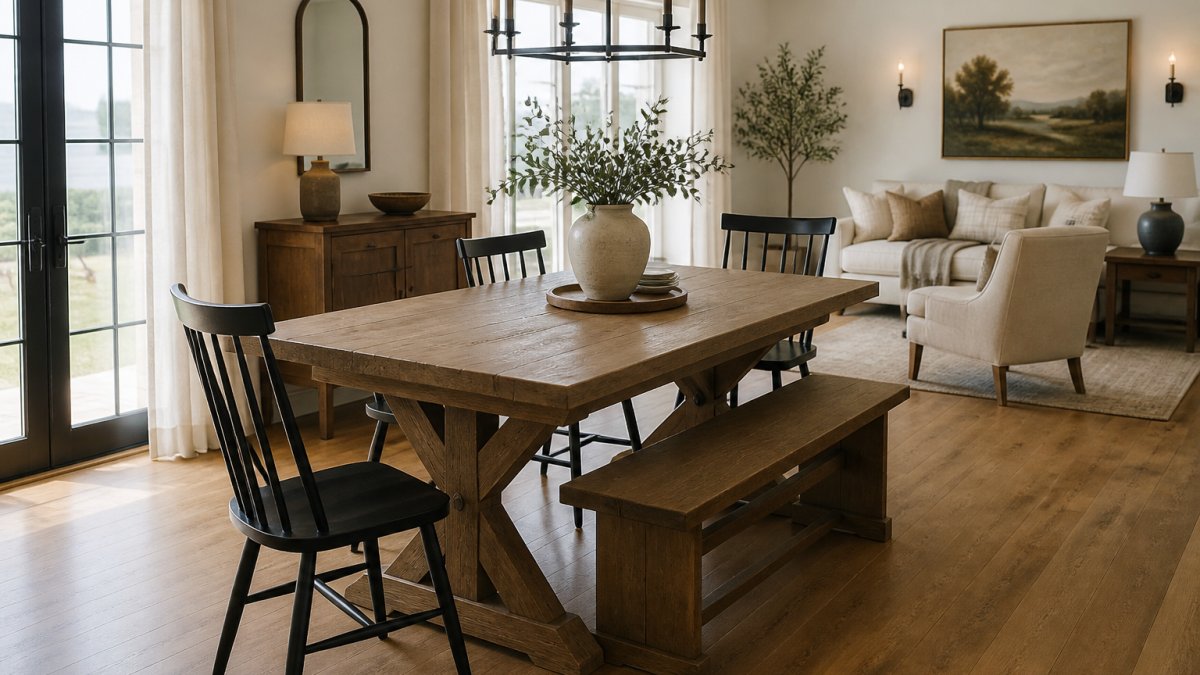
Richard Gentry Designs exemplifies these qualities. With over 25 years of experience, the workshop specializes in pieces that define a home: farm tables that become gathering places, desks that support a career, cabinetry that solves real storage problems. Each piece reflects a commitment to specificity: building exactly what you need, sized precisely for your space, finished to your standards.
Best For Homeowners and interior designers in Middle Tennessee who need custom wood furniture that fits unusual spaces, matches a specific aesthetic vision, or solves a functional problem that off-the-shelf pieces cannot address.
Cost of Custom Handcrafted Furniture: Understanding the Investment
The cost of custom handcrafted furniture surprises many people accustomed to mass-market pricing. Understanding why requires looking beyond the price tag to what you're actually purchasing.
Mass-produced furniture achieves low cost through volume and automation. A manufacturer builds the same table design thousands of times, spreading tooling costs across all units. Materials are selected for cost, not character. Joinery is simplified to reduce labor. The result is affordable but disposable, often lasting five to ten years before structural failure (peer-reviewed research).
Custom handcrafted furniture inverts this model. You're paying for materials selected for longevity and beauty. You're paying for joinery methods that strengthen over time. You're paying for finishing that will look refined in twenty years. You're paying for a maker's expertise, not a production line's efficiency.
A practical way to evaluate cost is to calculate longevity. If a custom piece costs three times more but lasts three times longer, or is used and loved far more intensely, the math favors the custom approach. Many heirloom pieces were custom-made because owners understood value differently.
Watch Out Be wary of "custom" pieces priced identically to mass-produced furniture. True handcrafted work requires time that has real cost. If a price seems too good to be true, the piece likely uses shortcuts in joinery, materials, or finishing that will show over time.
Why Custom Consultation Beats Off-the-Shelf Furniture
The gap between custom and mass-produced furniture extends beyond quality to fit and function. An off-the-shelf sofa comes in standard dimensions. If your living room is 9 feet wide and the sofa is 8 feet, you're either stuck with an oversized piece or forced to choose something smaller than ideal. A custom sofa built to exactly 8.5 feet solves that problem entirely.
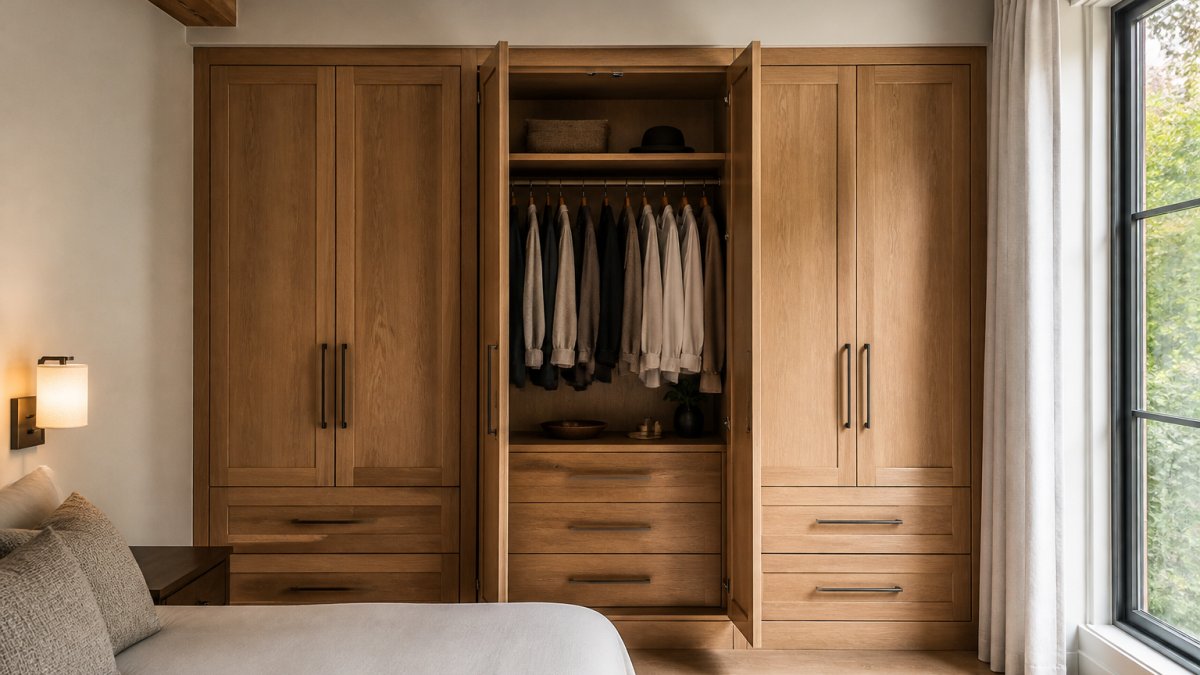
This specificity compounds across a room. A custom desk sized to fit a particular corner, with shelving positioned for your actual books and materials, works differently than a generic desk. A custom bed built to your mattress dimensions with storage drawers underneath transforms bedroom functionality.
Beyond dimensions, custom work addresses aesthetic coherence. Off-the-shelf pieces come from different manufacturers with different design languages. Custom pieces can be designed to work within your existing aesthetic, creating visual harmony that feels intentional.
Functionality also improves dramatically. A custom kitchen table can include a drop leaf that folds away for daily use but extends for entertaining. Drawers can be sized for specific items. A custom desk can incorporate cable management, task lighting, and storage that reflects how you actually work.
The consultation process itself reveals needs you didn't know you had. A skilled craftsman asks about your habits, pain points, and aspirations for a space. Through that conversation, you often realize that what you thought you wanted isn't quite right. This discovery is only possible through the dialogue that a custom wood furniture design consultation provides.
Getting Started: How to Prepare for Your Design Consultation
Walking into a consultation unprepared wastes time and often leads to misalignment. A few simple preparations dramatically improve the outcome.
Start by gathering inspiration. Collect images of furniture, interiors, or specific details you're drawn to. Pinterest boards, magazine tear-outs, or Instagram posts work equally well. What matters is identifying patterns in what appeals to you. You might discover you consistently gravitate toward clean lines, ornamental details, or natural wood grain visibility. These patterns inform the aesthetic direction your custom piece should take.
Measure your space thoroughly. Know the exact dimensions of the wall or corner where the piece will live. Photograph the space from multiple angles, including lighting conditions at different times of day. Note architectural features, baseboards, outlets, windows, and doors. These measurements prevent the common disappointment of a piece that looks wrong in your actual space.

Clarify your actual needs versus your aesthetic preferences. You might love the look of a minimalist desk, but if you need storage for a home office, that aesthetic won't serve you. A good craftsman will help you navigate these tensions, but you need to be honest about what your life actually requires.
Consider your timeline realistically. Handcrafted work cannot be rushed. Ask the craftsman about typical lead times for projects similar to yours. If you need the piece in six weeks, you need to know that upfront so you can adjust your timeline or modify your design accordingly.
Finally, be prepared to discuss budget. You don't need a specific number, but you should have a sense of your range. A craftsman can work within constraints, but they need to know them. Discussing budget early prevents designing a piece you can't afford.
Pro Tip Bring photos of your actual space, not just dimensions. A craftsman can visualize how a piece will live in your home far better with visual reference. Lighting, adjacent furnishings, wall color, and architectural style all influence how a custom piece will feel once installed.
Conclusion
A custom wood furniture design consultation transforms how you think about furnishings. Instead of shopping for what's available, you're designing what you actually need. Instead of compromising on size, finish, or function, you're specifying exactly what will work for your home and life.
The process requires more time upfront than buying off-the-shelf, but the result is furniture that fits perfectly, functions brilliantly, and will be used and loved for decades. At Richard Gentry Designs, this is exactly what we deliver: custom wood furniture that reflects your vision, built with the craftsmanship and attention to detail that transforms a house into a home. Ready to start your project? Reach out to discuss your vision and how we can bring it to life with pieces built specifically for you.
Frequently Asked Questions
Q: What is the process for a custom furniture design consultation?
A: A custom wood furniture design consultation begins with understanding your vision, space, and needs. The craftsman assesses your room dimensions, lifestyle, and design preferences, then develops initial concepts. You'll review material options, finishes, and joinery details together. Once the design is approved, a detailed timeline and budget estimate are provided. Throughout the build, you'll have checkpoints to ensure the piece matches your expectations before completion.
Q: How long does it take to build custom handcrafted furniture?
A: Timelines for custom handcrafted furniture depend on project complexity, wood selection, and current workload. During your consultation, the craftsman will provide a realistic lead time based on your specific design. Planning ahead ensures your custom piece arrives when you need it for renovations or other deadlines.
Q: How much does custom wood furniture cost?
A: Custom wood furniture pricing depends on wood type, design complexity, dimensions, and finishing details. Handcrafted pieces command premium pricing compared to mass-produced furniture because each item is built to specification with superior materials and artisan labor. For accurate pricing on your specific project, contact the craftsman with details about your design vision, dimensions, and material preferences. A consultation will provide a detailed quote tailored to your needs.
Q: What information should I bring to a furniture design consultation?
A: Bring room measurements, photos of your space from multiple angles, and any existing furniture or decor you want the piece to complement. Collect inspiration images showing styles you love, and note any functional requirements like storage needs or seating capacity. If you have specific wood preferences or finishes in mind, mention those. Having a clear budget range helps the craftsman tailor recommendations. Bringing these details ensures a productive consultation that leads to a piece perfectly suited to your home.
SHOP
This article was written using GrandRanker
Comments