


Incorporating Handcrafted Wood Pieces into Contemporary Architecture
Quick Summary
Handcrafted wood pieces add warmth, texture, and visible human skill to modern spaces that can otherwise feel cold. Choose a species and matte finish that suit the room's palette, and plan custom built-ins around the architecture's dimensions and light.
Walnut suits modern interiors because its deep, even color looks refined against light walls and concrete.
A matte oil or hardwax oil finish keeps wood tactile and avoids a dated glossy look.
Leave a 1/4 to 1/2 inch reveal between wood built-ins and plaster walls or concrete columns.
Dry lumber to roughly 6 to 8 percent moisture content before fabrication, and acclimate it to the space.
Request a written estimate, since pricing depends on scope, dimensions, and how many built-ins are involved.
Table of Contents
Why Handcrafted Wood Works in Contemporary Architecture
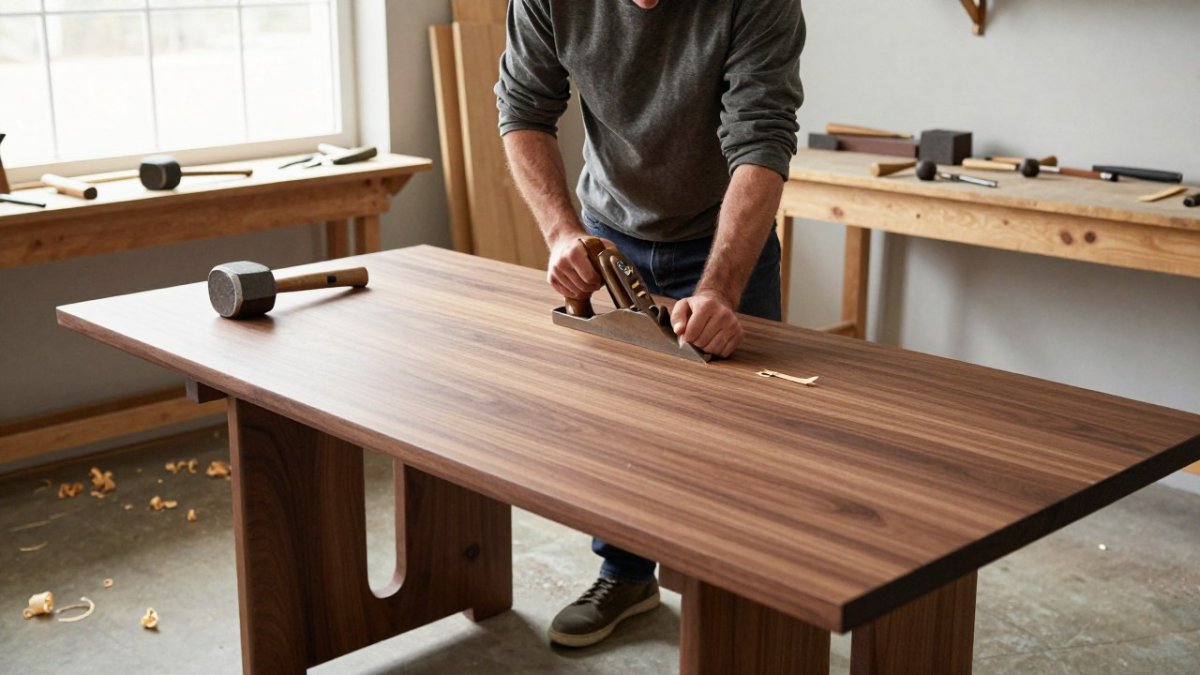
Handcrafted wood pieces bring warmth, texture, and visible human skill into rooms that can otherwise feel cold and sterile.
The tension is real. Modern architecture favors clean lines and restrained palettes, and a poorly chosen wood piece can look like an afterthought. A well-made one does the opposite. It anchors the room, gives the eye somewhere to rest, and makes the surrounding minimalism feel intentional rather than empty.
Contemporary design leans on a few principles that handcrafted wood satisfies. Natural grain adds visual depth without ornament. Organic imperfections, such as a knot, a live edge, or subtle figure, keep a space from feeling like a showroom. Wood also defines spatial zones inside open plans, something a freestanding table or built-in can do without a wall.
Some architects frame this as a choice between "warm" and "modern." That framing is outdated. Handcrafted work proves the two can coexist, provided the piece is proportioned for the architecture rather than dropped into it.
Step 1: Choose the Right Wood Species and Finish for Modern Lines
Species selection drives how a piece reads in a contemporary room. Walnut is the usual choice for modern interiors because its deep, even color and tight grain look refined against light walls and concrete. White oak offers a lighter, more linear grain that suits Scandinavian-leaning spaces. Ash, with its pale tone and pronounced grain, works well when you want wood to feel airy.
Match the species to the room's existing palette rather than the other way around. A dark walnut credenza can overwhelm a space already heavy with black steel, while the same piece in a room of pale oak and white plaster becomes a focal point.
Finishes matter as much as species. A matte oil finish keeps the wood tactile and avoids the glossy look that can read as dated. Penetrating oils and hardwax oils preserve the natural grain and are easier to spot-repair later. Film finishes like heavy lacquer give a smooth, uniform surface but can hide the very texture that makes handcrafted work distinctive.
Where wood species and finish fit a modern plan:
Species | Color and Grain | Best Modern Pairing | Typical Finish |
Walnut | Deep brown, tight, even grain | Concrete, black steel | Hardwax oil, matte |
White oak | Light tan, linear grain | Glass, white plaster | Penetrating oil |
Ash | Pale, pronounced grain | Light neutrals, glass | Clear oil, matte |
Chestnut (reclaimed) | Warm, rustic character | Steel, exposed brick | Oil or wax |
Step 2: Plan Custom Millwork and Built-Ins Around Your Architecture
Built-ins are where handcrafted wood earns its place in contemporary architecture, because they integrate with the structure instead of competing with it. A floor-to-ceiling walnut wall unit can define a living area, conceal storage, and frame a window without adding a single visible seam to the room's modern lines.
Measure the architecture first. Our custom wood shelving design guide for professional offices walks through planning shelving for a specific space type. Note ceiling heights, the position of outlets and vents, window reveals, and any irregular corners. Custom millwork solves problems that standard furniture cannot.
Plan the millwork in relation to light and circulation. Shelving that blocks a window's natural light or interrupts a main walkway will feel wrong no matter how well it is made. Sketch the room at full scale before committing to dimensions.
Architectural millwork techniques such as flush-inset doors, hidden hardware, and continuous grain across panels keep the surfaces clean. Ask for drawings that show how each piece meets the wall, floor, and ceiling. Good millwork looks almost seamless, and the details that make it so are decided at the planning stage.
Step 3: Balance Wood with Concrete, Glass, and Metal
The most convincing contemporary spaces treat wood as one of several materials with clear roles. Concrete and steel provide structure and cool tones. Glass brings light and openness. Wood supplies warmth and texture.

A useful starting point is to let wood occupy one dominant plane or piece per zone.
The harder problem is the transition, not the ratio. Where wood meets concrete, glass, or metal, the joint either reads as intentional or as a mistake. Three details do most of the work:
Reveals. A deliberate gap of 1/4 to 1/2 inch between a wood built-in and a plaster wall or concrete column lets each material read as its own plane. A tight butt joint looks like the wood was forced into place; a shadow gap looks designed.
Flush vs. proud. Setting a wood cabinet face flush with the drywall creates a seamless wall; setting it 3/4 inch proud creates a shadow line and a furniture-like object. Decide which one the architecture calls for before fabrication, because the cabinet box dimensions change.
Edge profiles. A square edge on a walnut table against polished concrete reads crisp and modern; a softened or chamfered edge reads warmer and more handcrafted. Neither is wrong, but mixing profiles across pieces in one sightline looks unresolved.
Watch out: warm wood next to a cool, bluish gray concrete can look muddy. Test wood samples against the actual concrete or metal in natural light before finalizing, since color shifts considerably between a showroom and a living room.
Wood accent walls and textures can also bridge materials. Vertical slats or a single wood-clad wall create rhythm against smooth glass or plaster. Use these sparingly. One strong gesture reads as intentional, while several competing ones read as clutter.
Finally, plan for how the materials age together. Concrete develops patina and can darken; steel can rust if left untreated; wood amber and darkens with UV exposure.
Step 4: Verify Craftsmanship and Source Wood Responsibly
Handcrafted claims are easy to make and harder to verify. Before commissioning a piece, look at joinery closely. Dovetails, box joints, and mortise-and-tenon connections should be tight and clean. Gaps, visible glue, or uneven panel alignment signal shortcuts.
Ask the maker how the wood was dried. Properly kiln-dried or air-dried stock to a stable moisture content reduces cracking and warping after installation. In most of the country, lumber should be dried to roughly 6 to 8 percent moisture content before fabrication, and it should be acclimated to the installation space.
Ask where the lumber came from and whether it was sourced locally or responsibly harvested. This is the gap most design articles skip: a concrete procurement process. A workable vetting sequence looks like this:
Ask for the supplier and species. A maker should be able to name the mill or supplier and the species, not just say 'walnut.'
Ask for chain-of-custody documentation on new lumber. Forest Stewardship Council (FSC) chain-of-custody certification is one recognized form of third-party verification for responsibly sourced wood (Chain of Custody Certification).
Inspect reclaimed stock in person or by video. Reclaimed timber carries history and character, but it requires careful inspection for hidden nails, rot, and structural soundness. A metal detector pass before milling is standard practice; ask whether it was done.
Confirm the finish schedule in writing. The finish is part of the specification, not an afterthought. Ask for the product name, sheen level, and number of coats.
Sourcing and ethical procurement matter for long-term value. A piece built from well-documented wood is easier to repair, refinish, and eventually pass on. Documentation also protects you if a finish fails or a panel moves: a maker who recorded the species, moisture content, and finish system can diagnose the problem instead of guessing.
Watch out: a beautiful showroom piece can hide a shortcut. Look at the back and the underside, not just the face. Consistent sanding on hidden surfaces, aligned fasteners, and a finished back are signs the maker treats the whole object as the product.
Step 5: Budget for Custom Pieces and Plan Your Timeline
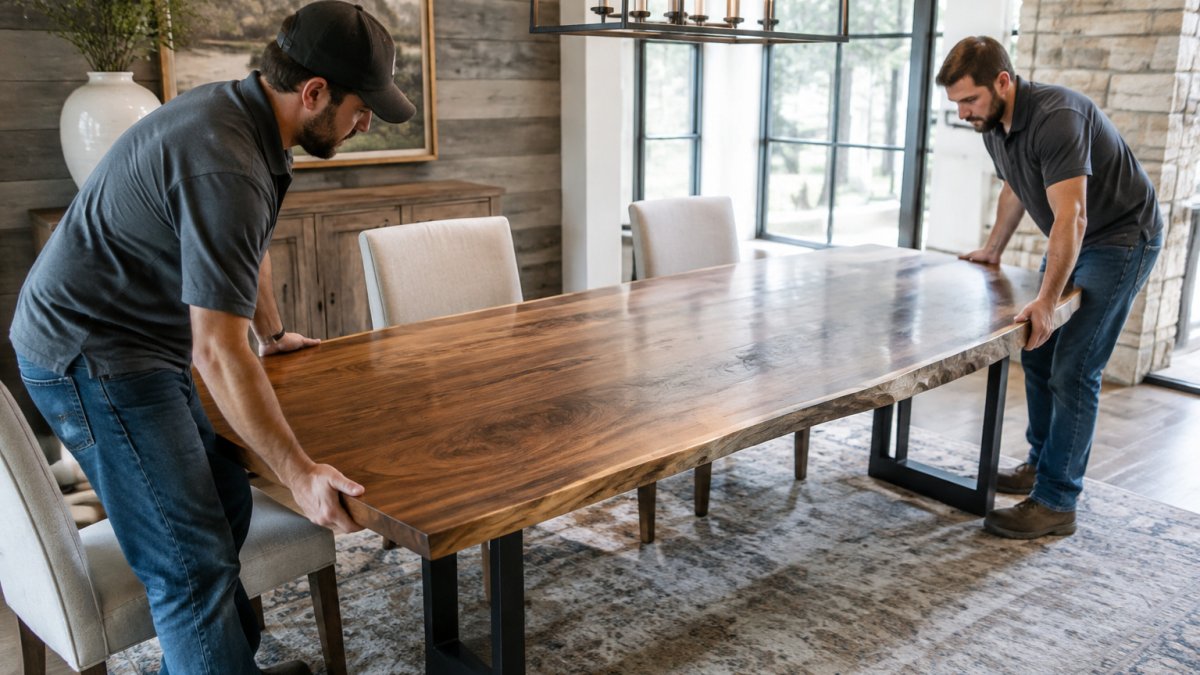
Budgeting for custom millwork requires looking beyond the sticker price. A custom walnut piece reflects material cost, labor hours, finishing, delivery, and installation. For reference, the Oval walnut dining table is listed at $4,750.00, the Ambrosia Dining Table at $6,500.00, and the Olive ash burl coffee table at $3,850.00. Pricing for a project that combines several built-ins, or unusual dimensions, depends on scope, so request a written estimate for your specific space.
Plan the timeline before you need the piece. Custom work moves through design, material selection, fabrication, finishing, and installation, and each stage needs time. Build in margin, especially if the piece is tied to a construction or renovation schedule.
Built-ins can conceal wiring for media equipment, charging stations, and lighting. Plan cable routing, access panels, and ventilation during the design phase, not after the cabinetry is finished. Coordinate with your electrician early, and specify recessed lighting or LED strips within shelving at the drawing stage.
Common Mistakes to Avoid When Adding Wood to Modern Spaces
A common mistake is choosing a piece for its look alone and ignoring proportion. A bulky wood sideboard can overwhelm a slim-lined room, even if the material is beautiful. Measure the wall and the traffic path before choosing dimensions.
Another frequent error is matching every wood tone in the room. Varied wood tones, deliberately chosen, add depth. Identical tones feel flat and disconnected.
Finish neglect is the third. Handcrafted wood responds to humidity and sunlight. Expect to re-oil or maintain surfaces periodically, and ask the maker for a care schedule specific to the finish. Longevity depends on maintenance as much as construction quality.
Finally, many owners skip the planning step and attempt to retrofit wood into an existing layout. The results are usually awkward. Designing the wood element into the architecture from the start produces the cleanest outcome.
Booking Your Custom Piece with Richard Gentry Designs
If you are planning wood furniture or built-ins for a contemporary home in Nashville or Middle Tennessee, Richard Gentry Designs can help you move from concept to finished piece. Contact us to start the conversation and discuss what your space needs.
Frequently Asked Questions
How long does a custom handcrafted wood piece take to build?
Lead time depends on the piece, its size, and the wood species, so it is best to confirm the schedule before committing to a renovation date. Share your timeline at the start of the project so the build can be planned around your renovation milestones, such as when cabinetry or flooring is finished and the room is ready for delivery. Custom work is rarely a fit for a deadline that is days away, but early planning usually leaves room to coordinate installation with the rest of the job.
Can custom wood furniture fit an awkward corner or irregular space?
Yes. Custom work is built to measured dimensions, so an angled corner, a slanted ceiling or an unusual alcove can be planned around instead of forcing a standard size to fit. Measure the space carefully, note clearances for doors and walkways, and bring photos or a rough sketch to your first consultation. Built-in and semi-built-in pieces often solve awkward layouts better than freestanding furniture.
How do I maintain handcrafted wood furniture so it lasts?
Keep solid wood away from direct sun and heating vents, which cause drying and checking, and maintain stable indoor humidity. Dust with a soft cloth, wipe spills promptly, and reapply a suitable oil or wax finish on the schedule recommended for your piece. Use coasters and placemats, and avoid harsh cleaners that can strip the finish. Routine care is what keeps a well-built piece looking good for decades.
What should I look for in high-quality handcrafted wood furniture?
Look for joinery such as mortise-and-tenon or dovetail construction rather than staples or visible fasteners, wood that has been properly dried and acclimated, and a finish that is even and well applied. Ask the maker which species they use and why, how the piece is designed to handle seasonal wood movement, and whether they can show previous work. A specific, knowledgeable answer to these questions is a better signal of quality than general claims about heirloom construction.

Comments