


.png)

How to Identify Heirloom Quality Furniture
Table of Contents
What Defines Heirloom Quality Furniture
Signs of High Quality Wood Furniture to Look For Structural Integrity and Weight Hand-Finished Surfaces and Grain Patterns
Structural Integrity and Weight
Hand-Finished Surfaces and Grain Patterns
Solid Wood vs Veneer Furniture: How to Tell the Difference
How to Spot Dovetail Joints and Quality Joinery Mortise and Tenon Connections What Weak Joinery Looks Like
Mortise and Tenon Connections
What Weak Joinery Looks Like
Repairability, Restoration, and Why It Matters
Hardware, Finish, and Provenance: The Details That Reveal True Heirloom Quality Furniture
Why Heirloom Furniture Is a Long-Term Investment
Conclusion
Last Updated: August 13, 2026
What Defines Heirloom Quality Furniture
Heirloom quality furniture is wood furniture built with materials, joinery, and craftsmanship substantial enough to survive generations of daily use without structural failure. A genuine heirloom piece can be repaired, refinished, and passed down. A piece that merely looks expensive cannot.
At Richard Gentry Designs, with over 25 years of artisan woodworking experience, we see the same question from homeowners and designers repeatedly: how do you actually tell the difference before you buy? This guide answers that question with specific, hands-on tests you can apply in any showroom or workshop.
The core definition rests on three pillars: material integrity, construction method, and repairability. A piece built from kiln-dried solid hardwood, joined with traditional joinery, and finished by hand will outlast anything assembled from particle board and veneer by decades.
Quality Marker | What to Look For | Why It Matters |
Wood type | Solid hardwood (oak, walnut, cherry, maple) | Durability, repairability, longevity |
Joinery | Dovetail, mortise and tenon, hand-cut | Structural integrity without glue dependence |
Surface finish | Hand-finished, visible grain, smooth transitions | Indicates craftsman attention and wood quality |
Underside/back | Consistent finish, saw marks, solid panels | Reveals whether shortcuts were taken |
Weight | Noticeably heavy for its size | Solid wood is dense; particle board is not |
Hardware | Solid brass or steel, smooth action | Cheap hardware fails before the wood does |
Signs of High Quality Wood Furniture to Look For
The biggest mistake shoppers make is evaluating furniture from the front only. Heirloom quality furniture reveals itself on its sides, back, underside, and interior surfaces. A craftsman who builds for longevity finishes the parts nobody sees.
Structural Integrity and Weight
Lift a corner of the piece or press down firmly on the surface and feel for flex. A well-constructed solid wood table or cabinet should feel completely rigid. Any racking, creaking, or give suggests inadequate joinery or thin construction.
Weight is the fastest test. Solid hardwood is dense. A dining chair built from kiln-dried oak or walnut will feel noticeably heavier than one built from engineered wood. If a piece feels surprisingly light, the wood is either a softwood species or it isn't solid wood at all.
Check the legs. On chairs and tables, legs should be thick, continuous pieces of wood, not hollow tubes or thin dowels. Reinforcing blocks at the interior corners of a chair seat indicate the builder anticipated stress points and addressed them structurally.
Pro Tip Flip a chair upside down before buying it. The underside of the seat will tell you more about construction quality than the entire front face. Look for solid corner blocks, consistent joinery, and a finish that extends to surfaces the buyer was never supposed to see.
Hand-Finished Surfaces and Grain Patterns
Run your hand across the surface. Hand-finished wood has a warmth and slight variation that machine-finished surfaces lack. On high-quality pieces, the finish enhances the grain pattern rather than obscuring it.
Look at the grain pattern across the entire surface. On solid wood, grain runs continuously and naturally, with variation that reflects the tree's actual growth. On veneer over particle board, grain patterns often repeat at regular intervals or appear too perfect.
Check the edges. Solid wood edges show end grain or long grain consistent with the face. Veneer furniture often reveals a different material at the edge or thin edge banding that doesn't match the face grain.
Solid Wood vs Veneer Furniture: How to Tell the Difference
Solid wood means the entire component is cut from a single piece of timber. Veneer means a thin slice of real wood is bonded over a substrate, which may be plywood, MDF, or particle board.
Veneer is not automatically inferior. High-quality plywood with a thick hardwood veneer can be structurally sound and dimensionally stable. The problem is when veneer is used over particle board or MDF, which absorbs moisture, swells, and cannot accept screws reliably after the first assembly.
Here's how to tell them apart:
Check the edges and corners. Solid wood shows consistent grain wrapping around corners. Veneer furniture shows a seam or edge banding at transitions.
Look at the underside or back panels. Particle board substrate looks gray and granular. Solid wood looks like wood from every angle.
Examine any chips or scratches. On solid wood, damage exposes more wood. On veneer, chips reveal a different-colored substrate beneath.
Feel the weight. Particle board is lighter than solid hardwood of the same dimensions.
Check drawer bottoms and cabinet backs. Solid plywood panels indicate quality; thin cardboard-like panels do not.
According to the Hardwood Manufacturers Association's consumer guidance, solid hardwood species like oak, cherry, walnut, and maple are the preferred materials for furniture intended to last multiple generations because of their density, workability, and ability to be refinished repeatedly.
How to Spot Dovetail Joints and Quality Joinery
Joinery is the single most reliable indicator of furniture quality. How a piece is held together determines how long it survives under real use conditions. Heirloom quality furniture uses mechanical joinery, meaning the wood itself provides the structural connection.

Dovetail joints are the most recognizable mark of quality joinery. The interlocking trapezoidal pins and tails create a mechanical connection that resists pulling apart even without adhesive. Hand-cut dovetails have slight irregularities between pins that machine-cut versions lack. Both are far superior to stapled or nailed construction.
To spot dovetail joints, pull out a drawer and look at the corners where the front, back, and sides meet. Fan-shaped interlocking fingers are dovetails. The tighter the fit and the more numerous the pins, the more labor-intensive the construction.
Mortise and Tenon Connections
Mortise and tenon joinery is the workhorse of furniture construction. A tenon, a projecting tongue of wood, fits into a mortise, a corresponding cavity, creating a connection that handles both compression and lateral stress. Look for mortise and tenon connections at leg-to-rail joints on tables and chairs. On quality pieces, you may see a wooden peg or dowel driven through the joint to lock it permanently. This pegged mortise and tenon is one of the strongest connections in furniture construction.
What Weak Joinery Looks Like
Staples, nails, and cam-lock fasteners loosen under repeated stress. Furniture assembled with these methods will wobble, creak, and eventually fail at the joints. Visible screws on finished faces, excessive wood filler around joints, and joints that don't close tightly are all signs of weak construction.
Watch Out Never assume a high price tag means quality joinery. Many expensive furniture pieces use the same staple-and-glue construction as budget options, with better veneer applied on top. Always inspect the joinery directly, especially on drawer corners and chair leg connections.
Repairability, Restoration, and Why It Matters
The ability to repair and refinish a piece is what separates a 20-year piece from a 200-year piece.

Solid hardwood can be sanded and refinished multiple times over its lifetime. A piece with sufficient solid wood above the joinery has enough material for several complete refinishing cycles, removing scratches, stains, and worn finish each time. Veneer over particle board cannot be sanded without breaking through the surface layer.
Loose joints on a solid wood piece can be disassembled, cleaned, re-glued, and clamped back to full strength. Particle board joints that have failed cannot be repaired meaningfully.
When evaluating a piece for long-term value, ask: Can the finish be stripped and reapplied? Can individual components be replaced if damaged? Are the joinery connections accessible for repair? Is the wood species one that accepts stain and finish readily?
A solid wood piece that lasts a century represents a dramatically lower environmental footprint than a veneer piece replaced every decade. According to the Forest Stewardship Council's lifecycle guidance, responsibly sourced solid wood furniture that remains in use for decades is one of the most environmentally favorable furniture choices available.
Key Takeaway The question to ask isn't "how long will this last?" but "can this be repaired when it fails?" Solid hardwood furniture can be restored indefinitely. Particle board furniture cannot. That difference, compounded over decades, is the entire argument for heirloom quality.
Hardware, Finish, and Provenance: The Details That Reveal True Heirloom Quality Furniture
Hardware is where heirloom quality furniture separates itself from furniture that merely looks expensive. Open and close every drawer and door on a piece you're evaluating. Quality hardware operates smoothly, seats fully, and doesn't rattle. Hinges should be solid brass or steel, not pot metal, and should be mounted with multiple screws into solid wood.
Look at the drawer slides. Full-extension, solid wood or heavy-duty metal slides indicate serious construction. Thin metal slides that stop short of full extension are a cost-cutting measure.
The finish itself tells a story. A hand-applied finish shows variation in sheen, depth of color, and a quality of surface that spray-applied factory finishes don't replicate. On the underside of a tabletop or the inside of a cabinet, a quality builder applies finish consistently.
Provenance matters more than most buyers realize. Knowing who built a piece, where, and from what materials is practical information for future repair and restoration. A piece with documented provenance, a maker's mark, or a known workshop is easier to authenticate, insure, and restore correctly. Some custom furniture makers now provide documentation that includes wood species, origin, construction methods, and finish specifications, valuable information when a piece needs restoration decades later.
Why Heirloom Furniture Is a Long-Term Investment
The case for heirloom quality furniture as an investment rests on a simple calculation: cost per year of use. A mass-market piece that costs less upfront but requires replacement every eight to ten years costs more over a lifetime than a solid hardwood piece built to last a century.
Heirloom furniture holds its structural integrity under real conditions: seasonal humidity changes, the stress of daily use, moving between homes, and decades of wear. Solid wood responds to moisture content changes by expanding and contracting slightly, which is normal and manageable. Particle board swells and delaminates under the same conditions, permanently.
The resale and inheritance value of genuine heirloom pieces is real. Antique solid wood furniture from recognized craftspeople commands strong prices at auction and in private sales. Mass-market furniture has no resale value after the first few years of use.
According to the American Furniture Manufacturers Association's industry standards, furniture built to traditional joinery standards and from solid hardwood species consistently outperforms engineered wood alternatives in long-term structural testing.
For homeowners and designers who want pieces that genuinely belong in the next generation's homes, the standard is clear: solid hardwood, traditional joinery, hand-finished surfaces, and documented craftsmanship. Richard Gentry Designs builds to exactly that standard, with each piece custom-made to the client's specific dimensions and design requirements, backed by over 25 years of artisan experience.
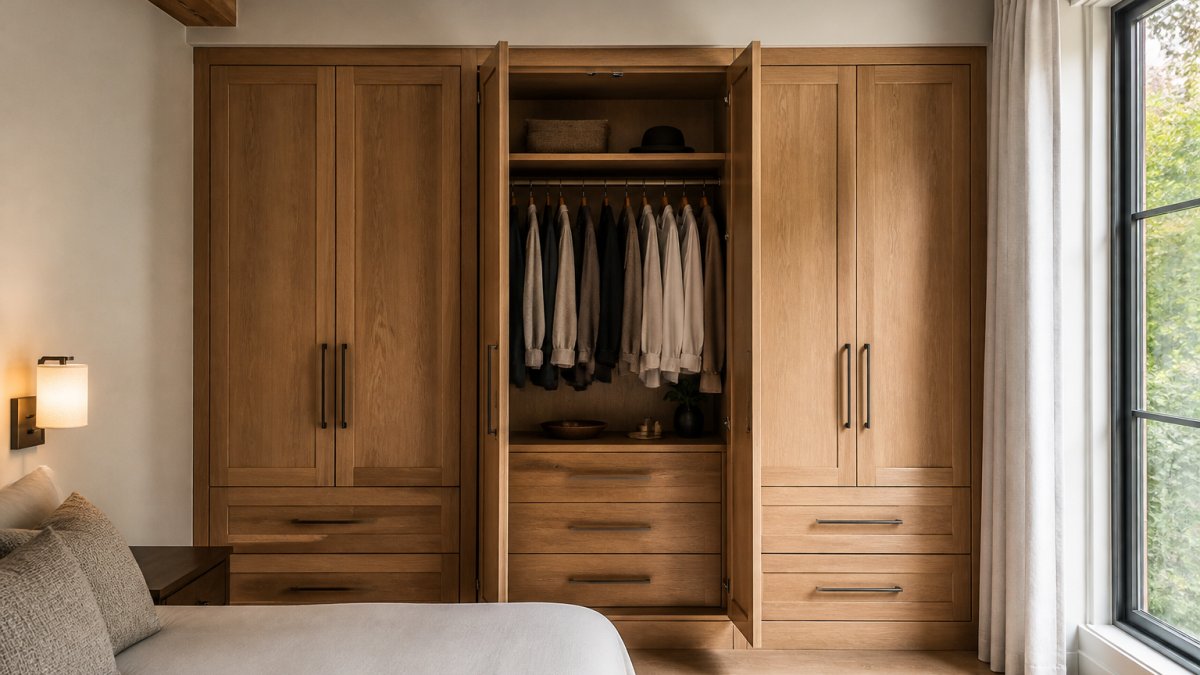
Custom heirloom furniture often fits a space better than any mass-market alternative because it's built for that specific space. A piece that fits perfectly, built from materials that last generations, is not an indulgence. It's the most practical furniture decision you can make.
Choosing furniture that genuinely qualifies as heirloom quality requires knowing what to look for beneath the surface finish and marketing language. The markers covered in this guide, from solid wood construction and traditional joinery to repairability and documented provenance, give you a concrete framework for evaluating any piece before you commit. Richard Gentry Designs crafts custom hardwood furniture built to these exact standards, with hand-finished surfaces, traditional joinery techniques, and pieces tailored precisely to your space and design vision. Get started with Richard Gentry Designs and invest in furniture built to outlast the trends.
Frequently Asked Questions
What is considered heirloom furniture?
Heirloom furniture is built from solid hardwood using traditional joinery techniques, dovetail joints, mortise and tenon connections, and hand-finished surfaces, that allow the piece to last 50 years or more. It's designed to be repaired and restored rather than replaced. Mass-market pieces made from particle board or veneer over MDF rarely qualify, regardless of price, because they cannot be refinished or structurally repaired when they fail.
How do you tell if furniture is high quality?
Lift a drawer and look at the corner joints. Dovetail joints cut by hand or machine indicate quality construction. Check the underside and back panels, solid wood or plywood backing is a good sign, while stapled cardboard or thin hardboard is not. A quality piece feels heavy for its size, sits without wobbling, and has a finish that looks consistent across the grain. Exposed saw marks or gouge marks on hidden surfaces suggest hand craftsmanship rather than factory production.
What are the signs of solid wood construction?
Run your hand along the edges. Solid wood has continuous grain that wraps around corners; veneer stops abruptly at the edge and is often covered with edge banding. Look at end grain on table legs or shelf edges, real wood shows growth rings. Solid pieces are also noticeably heavier than veneer-over-particleboard alternatives of the same size. Slight natural variations in color and grain pattern across the surface are normal in solid wood and absent in printed veneer.
Is vintage furniture always heirloom quality?
Age alone does not make furniture heirloom quality. Vintage pieces built with solid hardwood, quality joinery, and kiln-dried lumber that has stabilized over decades can be excellent candidates for restoration. However, vintage furniture made from early composite materials or with poor construction methods may have significant structural problems that are not worth repairing. Inspect joinery, check for warp or moisture damage, and assess whether the wood species and construction method justify restoration costs before buying.
How do dovetail joints differ from other joinery methods?
Dovetail joints interlock at an angle, creating mechanical resistance that holds even if the glue fails over time. This makes them far more durable than dowels, staples, or screws alone in drawer construction. Hand-cut dovetails have slight irregularities in spacing and angle, a sign of true craftsmanship. Machine-cut dovetails are uniform and still strong. Butt joints held only by nails or screws are the weakest option and the most common sign that a piece was built for price rather than longevity.
Can heirloom quality furniture be custom-made to fit a specific space?
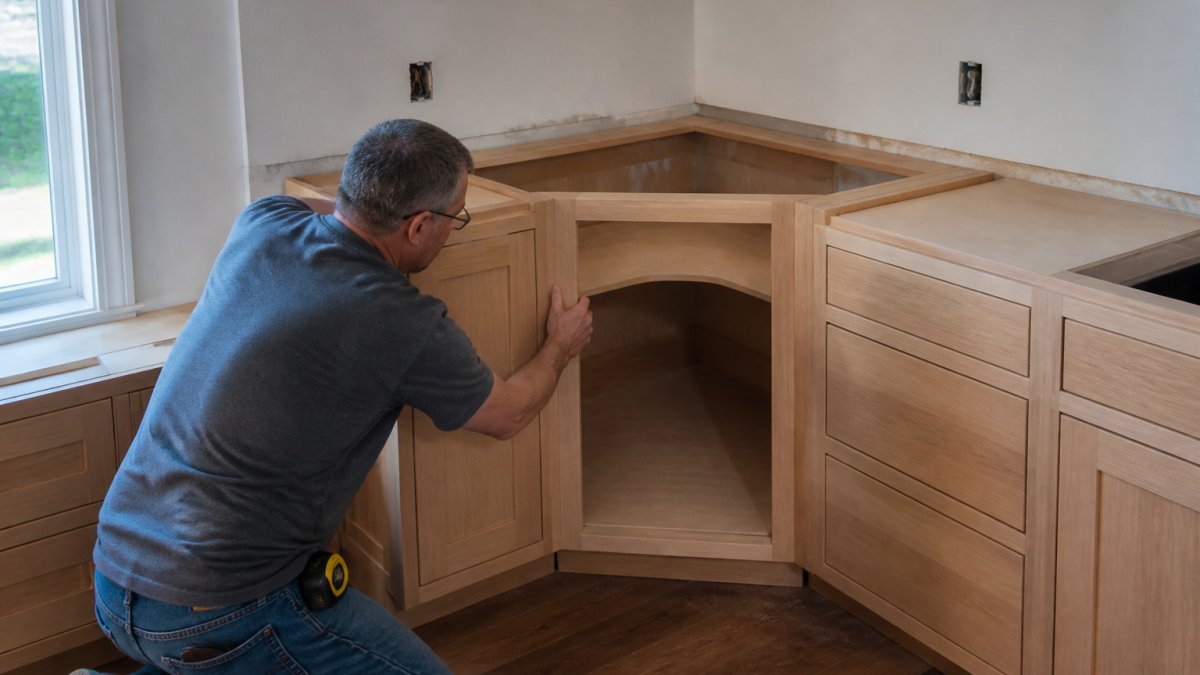
Custom heirloom furniture is often the only practical solution for rooms with non-standard dimensions, awkward angles, or specific design requirements that mass-market pieces cannot meet. A skilled craftsman can build to precise measurements while applying the same solid wood construction, quality joinery, and hand-finished surfaces that define heirloom quality. The result is a piece that fits the space perfectly and is built to the same standard as any other heirloom-grade work.
SHOP
This article was written using GrandRanker
Comments