


.png)

High End Custom Furniture Nashville Design Guide
Table of Contents
What Makes High End Custom Furniture Nashville Design Different Bespoke vs. Mass-Produced: Why the Distinction Matters
Bespoke vs. Mass-Produced: Why the Distinction Matters
The Furniture Design Process Steps: From Vision to Finished Piece The Initial Consultation Material Selection and Wood Sourcing Build, Finishing, and Delivery
The Initial Consultation
Material Selection and Wood Sourcing
Build, Finishing, and Delivery
How to Commission Custom Furniture the Right Way Vetting a Custom Furniture Maker Before You Commit
Vetting a Custom Furniture Maker Before You Commit
Custom Live Edge Dining Tables: A Signature of Artisan Craft
The Nashville Style Aesthetic: Modern, Traditional, and Everything Between
Sustainable and Ethical Wood Sourcing in Bespoke Furniture
The Investment ROI of Custom Furniture Nashville Homeowners Should Know
Conclusion
Last Updated: August 11, 2026
What Makes High End Custom Furniture Nashville Design Different
High end custom furniture Nashville design is the practice of commissioning handcrafted, made-to-order wood pieces built precisely to a client's specifications, space, and aesthetic vision. At Richard Gentry Designs, with over 25 years of artisan experience, we see this distinction play out every day: a bespoke piece is not simply furniture that costs more. It is furniture that could not exist any other way.
Mass-produced furniture is engineered for average rooms, average tastes, and average lifespans. Bespoke furniture is engineered for one room, one person, and one standard: permanence.
Bespoke vs. Mass-Produced: Why the Distinction Matters
Bespoke furniture is commissioned directly from a maker, built to custom dimensions, specified materials, and a client-approved design. A bespoke dining table fits one room, just as a bespoke suit fits one body.
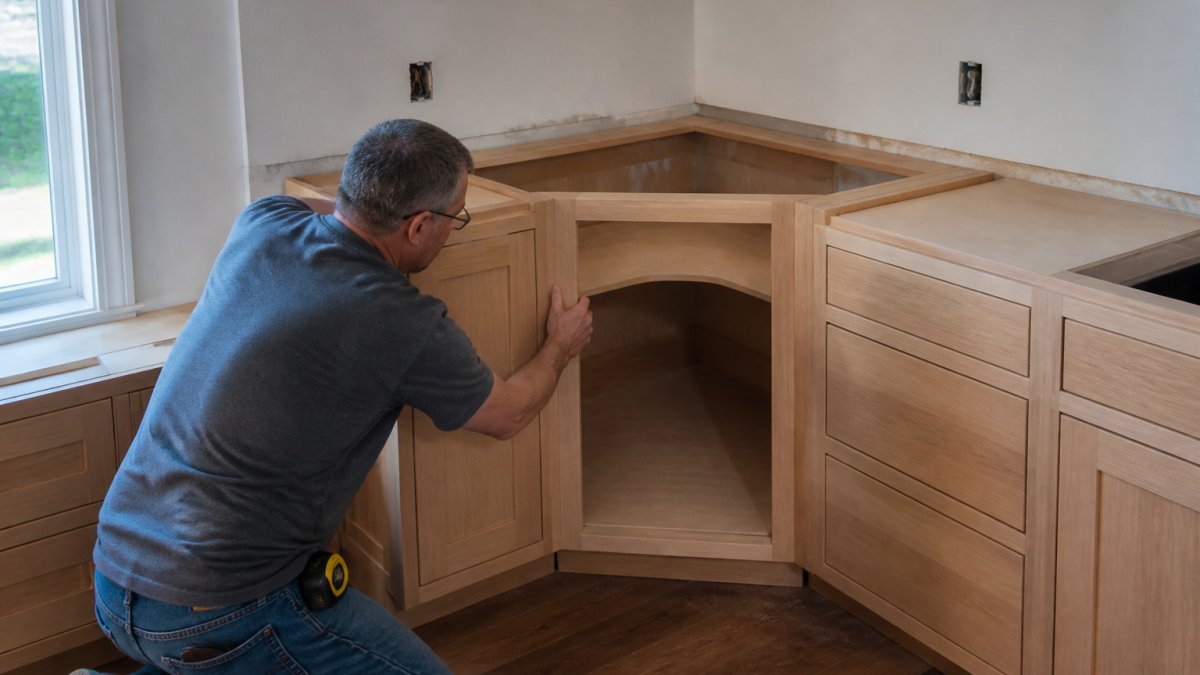
Mass-produced furniture is designed to the median. Proportions are standardized, materials are selected for cost efficiency, and joinery is often mechanical rather than hand-cut. The practical gap shows up in three areas: fit, material quality, and longevity. A custom piece can be built to fill an awkward corner, match existing architectural details, or accommodate ceiling heights that standard furniture ignores. Hardwood used in artisan-made furniture is typically selected grain by grain, rather than sourced from commodity suppliers. Traditional joinery techniques, which hold a piece together for generations, are simply not economical in mass production.
This is why custom furniture Nashville homeowners commission is not a luxury impulse. It is a practical decision when standard options do not solve the problem.
The Furniture Design Process Steps: From Vision to Finished Piece
The furniture design process steps follow a clear sequence, and the quality of each stage determines whether the finished piece matches the original vision.

The Initial Consultation
The initial consultation is where a commission either gets set up for success or quietly set up to fail. A good maker will ask about the room's dimensions, existing finishes, how the piece will be used, and what you find beautiful.
Come prepared with reference images, measurements, and any constraints: doorway widths the finished piece must pass through, ceiling heights, adjacent colors and materials. The more specific you are, the more accurate the quote and timeline will be. Most makers can work remotely for this stage.
The questions a maker asks you tell you as much about their process as the portfolio images on their website.
Material Selection and Wood Sourcing
Material selection happens after the design is agreed upon, and it is where the character of the piece is decided. Hardwood species vary dramatically in grain pattern, hardness, color, and how they accept a finish. Walnut reads dark and contemporary. White oak has a cathedral grain that suits both modern and traditional settings. Cherry deepens to a rich amber over years of light exposure.
Live-edge slabs, where the natural edge of the tree is preserved rather than cut square, require the maker to work with the material rather than against it. The wood grain dictates the design as much as the design dictates the wood.
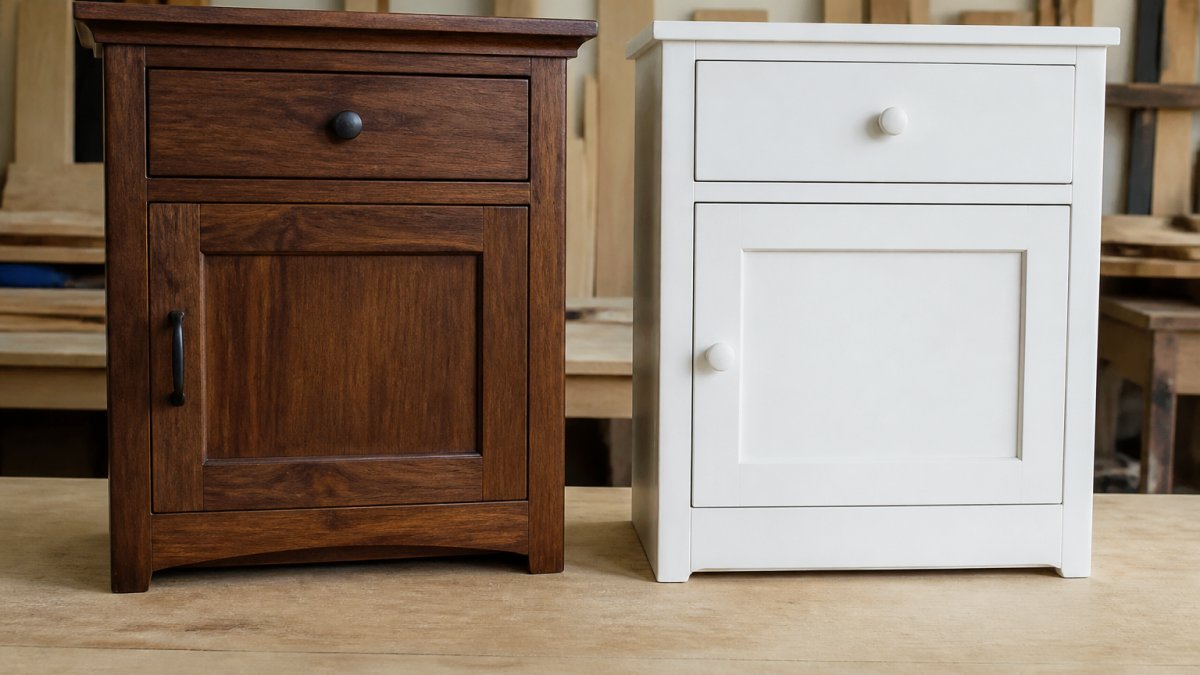
Finish selection is equally consequential. An oil finish preserves the natural feel of the wood but requires periodic maintenance. A conversion varnish is more durable and suits high-use surfaces like dining tables. A knowledgeable maker will explain these trade-offs rather than simply applying whatever is fastest.
Build, Finishing, and Delivery
The build phase is where joinery choices determine how long a piece lasts. Mortise-and-tenon joints, dovetails, and hand-cut joinery are the markers of heirloom-quality construction. These techniques take longer and require more skill than mechanical fasteners, which is why they are absent from mass-produced furniture.
Timeline expectations vary by project complexity. Simple pieces may be completed in weeks; complex bespoke cabinetry or a large bespoke dining table can take several months. Ask for a written timeline at the outset, and understand that a maker who quotes an unrealistically short turnaround is telling you something about their process.
Delivery and installation should be discussed before the build begins, particularly for large pieces that require in-home assembly.
How to Commission Custom Furniture the Right Way
Knowing how to commission custom furniture correctly protects both your investment and your working relationship with the maker. Start with clarity about your non-negotiables: the room's dimensions, the function of the piece, and any aesthetic constraints. Then give the maker room to solve the problem. Artisans who have spent decades working with wood often see solutions that are not obvious to someone looking at a floor plan.
Get everything in writing: the design specifications, the materials agreed upon, the timeline, and the payment schedule. Reputable makers expect this.
Pro Tip Ask your maker for wood samples and finish samples before the build begins. Seeing the actual material in your home's lighting, next to your existing finishes, eliminates the single most common source of disappointment in custom furniture commissions.
Vetting a Custom Furniture Maker Before You Commit
Vetting a custom furniture maker is the step most buyers rush, and the one they most regret skipping. A portfolio shows aesthetic range, but it does not tell you about communication, timeline reliability, or how a maker handles problems.
Ask these questions before committing: Can you see the workshop, either in person or via video? Do they have references from past clients willing to speak with you? What does the agreement cover if the finished piece does not match the approved design? How do they handle material defects discovered mid-build? What is their experience with pieces similar to what you need?
The answer to that last question matters most. A maker who has built fifty dining tables has solved problems you have not thought of yet. According to the American Furniture Manufacturers Association's guidance on custom furniture, buyers should always verify that a maker's stated experience aligns with the specific piece type they are commissioning.
Watch Out Avoid any maker who cannot provide a written specification document before accepting a deposit. Verbal agreements on custom furniture commissions are the most common source of disputes, and they leave you with no recourse if the finished piece diverges from what was discussed.
Custom Live Edge Dining Tables: A Signature of Artisan Craft
Custom live edge dining tables are the defining piece of artisan furniture for a reason. No two are identical. The natural edge of the slab, the unique wood grain, the specific figure in the wood: these are characteristics that mass production cannot replicate.

The process begins with slab selection. Wide, flat slabs of walnut, white oak, maple, or cherry are sourced and assessed for figure, stability, and character. A skilled maker knows which slabs will move excessively after milling and which will remain stable, a judgment that comes from experience.
The base design is where the piece takes its personality. A steel hairpin base reads industrial-modern. A hand-carved wooden base with tapered legs suits a more traditional setting. The choice should be driven by the room's existing architecture, not current trends alone.
A well-built live-edge dining table, finished correctly and maintained appropriately, will outlast the house it sits in. According to the Forest Stewardship Council's guidance on wood selection and longevity, the species and drying method of hardwood used in furniture construction directly determine long-term dimensional stability, which is the primary factor in whether a piece holds together over decades.
The Nashville Style Aesthetic: Modern, Traditional, and Everything Between
The Nashville style aesthetic in custom furniture does not resolve neatly into a single look. The region draws from Southern traditional roots, contemporary design sensibilities, and a growing architectural collaboration between interior designers and custom furniture makers who understand both.
What emerges is a range that spans warm, reclaimed-wood farmhouse aesthetics to clean-lined modern pieces in walnut and steel, with a strong current of refined rustic: natural materials, visible craftsmanship, and a deliberate avoidance of the anonymous finish that defines mass-market furniture.
For interior designers sourcing bespoke pieces for high-end client projects, this range is an advantage. A maker fluent in both traditional joinery and modern aesthetic can produce a bespoke dining table that anchors a contemporary kitchen or bespoke cabinetry that reads as period-appropriate in a historic home.
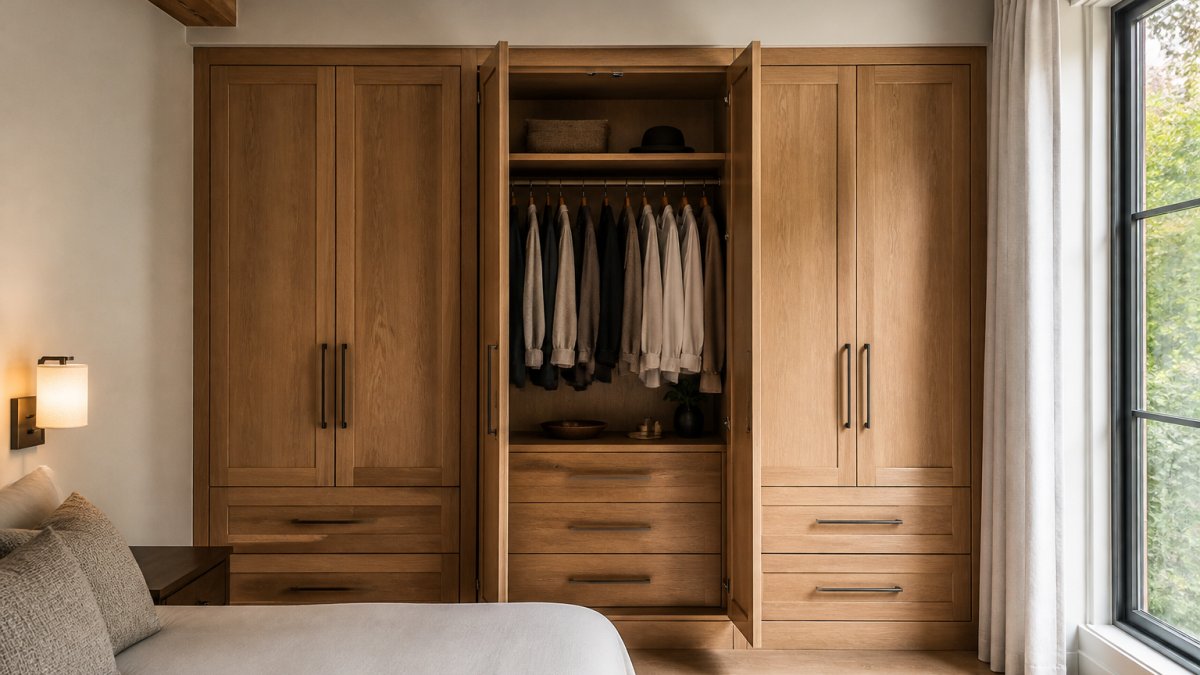
The practical design categories that recur most often in Middle Tennessee commissions include farm tables and bespoke dining tables, bespoke vanities and mantels, custom office furniture and desks, and bespoke upholstery and beds. The common thread is specificity. The Nashville style, at its best, is furniture that looks like it belongs exactly where it is, because it was built for exactly that place.
Key Takeaway The strongest custom furniture commissions start with the room, not the piece. Understand the architectural constraints, the existing finishes, and the light quality first. The furniture design follows from those facts.
Sustainable and Ethical Wood Sourcing in Bespoke Furniture
Sustainable sourcing in bespoke furniture is not a marketing checkbox. It is a decision that affects the quality of the finished piece as much as the ethics of the supply chain.
Ethically sourced hardwood, typically certified by organizations like the Forest Stewardship Council, comes from forests managed to maintain biodiversity and long-term yield. For the buyer, this certification is one verifiable signal that the wood was not harvested in ways that compromise its long-term availability. For the maker, working with responsibly sourced suppliers often means access to better-quality, more consistently dried lumber.
Reclaimed wood is a separate category. Salvaged from old barns, factories, and demolished structures, reclaimed hardwood carries both environmental benefits and a material character that new-growth lumber cannot match. The patina, the nail holes, the variation in color are features, not defects, in the right design context.
Ask your maker where the wood comes from and whether they can document the source. A maker who sources thoughtfully will answer this question readily. According to the U.S. Forest Service's resources on responsible wood sourcing, domestic hardwood species like black walnut, hard maple, and white oak are among the most sustainably managed timber resources available, making them both an ethical and practical choice for artisan furniture.
The Investment ROI of Custom Furniture Nashville Homeowners Should Know
The investment case for custom furniture is straightforward when framed correctly. The question is not whether a bespoke piece costs more than a mass-market alternative. It does. The question is what you are comparing over what time horizon.
Mass-produced furniture at the mid-market price point typically has a functional lifespan of five to fifteen years. Heirloom-quality custom furniture, built with traditional joinery and solid hardwood, is designed to last generations. The cost-per-year calculation changes substantially when that comparison is made honestly.
A well-documented, artisan-made piece from a known maker retains value in a way that flat-pack or mid-market furniture does not. Bespoke furniture has provenance. It can be appraised, sold, and passed on.
The ROI calculation also includes the cost of the problem the custom piece is solving. If standard furniture cannot fit your space, the alternative is not a cheaper piece: it is an empty corner, a poorly functioning room, or an expensive renovation to accommodate standard sizing. Custom dimensions, built to your space, eliminate that problem entirely.
Consideration | Mass-Produced | Bespoke Custom |
Typical lifespan | 5-15 years | Generational (50+ years) |
Fit to space | Approximate | Exact |
Material quality | Variable, often composite | Solid hardwood, maker-selected |
Joinery method | Mechanical fasteners | Traditional hand-cut joinery |
Resale / estate value | Minimal | Retains value with provenance |
Design flexibility | Limited to catalog | Fully tailored |
For homeowners mid-renovation, commission early in the timeline, not after the room is otherwise complete. Discuss your renovation schedule with your maker at the first consultation so the build timeline can be planned accordingly.
Richard Gentry Designs works directly with homeowners and interior designers throughout the commission process, from initial consultation through delivery, to make sure the finished piece fits the space, the schedule, and the vision. With over 25 years of experience crafting custom, hand-made wood furniture for Middle Tennessee homes, the standard is not just quality: it is furniture that earns its place in a room permanently.
The hardest part of a home renovation is often finding furniture that actually fits, not just in terms of dimensions, but in terms of design, quality, and character. Richard Gentry Designs solves that problem through fully custom, handcrafted wood furniture built to your exact specifications, with over 25 years of artisan experience behind every commission. From bespoke dining tables and live-edge slabs to custom cabinetry and bedroom furniture, each piece is made to last and made to belong. Get started with Richard Gentry Designs and commission furniture that your space has been waiting for.
Frequently Asked Questions
What is the difference between custom furniture and mass-produced luxury furniture?
Mass-produced luxury furniture is manufactured at scale, then sold in standard sizes and finishes. Custom furniture is built specifically for you: your dimensions, your wood species, your finish, your joinery details. A bespoke piece can fit an awkward corner, match existing architectural elements, or carry a design detail no catalog offers. The result is furniture that functions better in your space and reflects your vision rather than a brand's catalog.
How long does it take to have a custom piece of furniture built?
Lead times vary based on complexity, material availability, and the maker's current workload. A straightforward commission such as a desk or side table may take six to ten weeks. A large bespoke dining table or custom cabinetry project can run twelve to twenty weeks or longer. The best approach is to start the consultation early, well before your renovation deadline, so material sourcing and build time don't create a bottleneck.
How do I find a reputable custom furniture maker?
Look for a maker with a documented portfolio showing consistent joinery quality, real client testimonials, and transparent process communication. Ask how long they have been working with hardwood and whether they can show pieces made five or more years ago. A reputable artisan will walk you through material sourcing, finish options, and structural methods before you sign anything. Over 25 years of hands-on experience is a meaningful indicator of lasting craftsmanship.
Is custom furniture more expensive than high-end retail furniture?
The upfront cost of a commissioned, handcrafted piece is often higher than a comparable retail item. However, bespoke furniture is built to your exact specifications using select hardwood and traditional joinery, so it typically outlasts mass-produced alternatives by decades. When you factor in replacement costs and the value of furniture that fits your space precisely, the long-term cost per year of use often favors the custom piece. Contact Richard Gentry Designs directly for project-specific pricing.
SHOP
This article was written using GrandRanker
Comments