


.png)

Custom Cabinetry for Your Home: A Design Guide
Table of Contents
Why Custom Cabinetry Matters for Your Home
Custom Cabinet Design Process: From Vision to Installation Initial Consultation and Measurement Design Development and Material Selection Cabinet Construction and Quality Control
Initial Consultation and Measurement
Design Development and Material Selection
Cabinet Construction and Quality Control
Best Wood for Custom Cabinetry: Material Guide Hardwood Species and Durability Finishes That Protect and Enhance
Hardwood Species and Durability
Finishes That Protect and Enhance
Cost of Custom Kitchen Cabinets: What Affects Your Investment Factors That Influence Pricing Budget Planning and Payment Options
Factors That Influence Pricing
Budget Planning and Payment Options
Custom vs. Semi-Custom Cabinetry: Which Fits Your Needs
Maintenance and Care for Custom Cabinetry
Conclusion
Last Updated: August 17, 2026
Why Custom Cabinetry Matters for Your Home
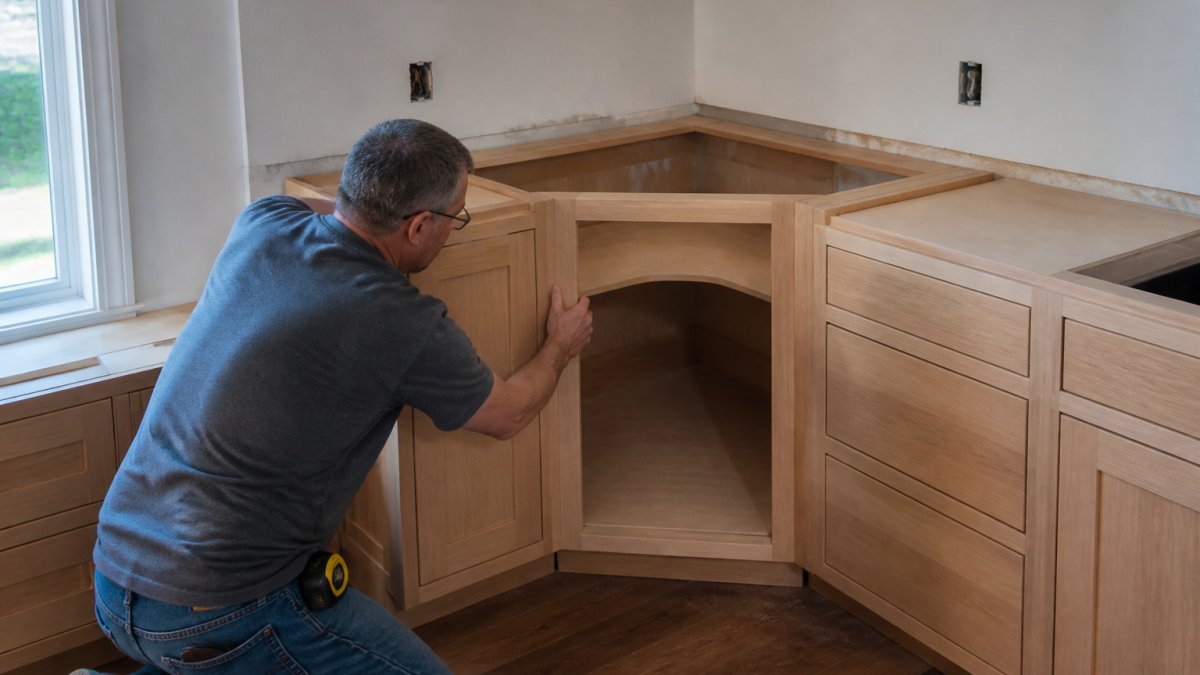
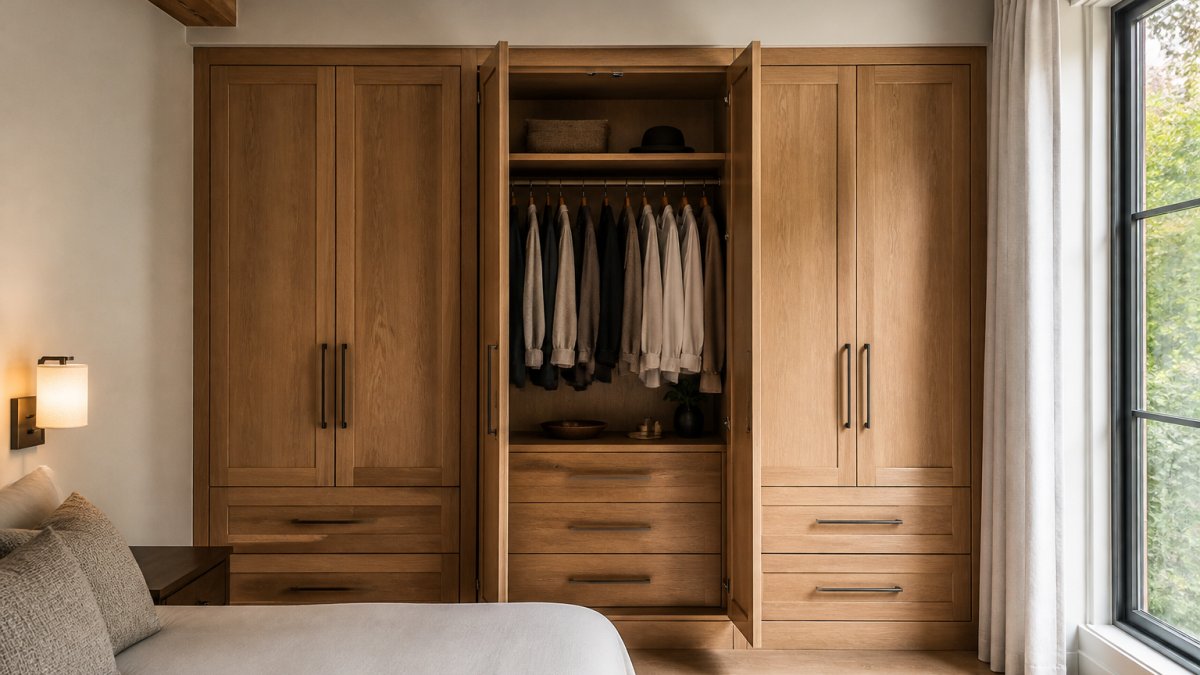
Custom cabinetry transforms how your home functions and looks. Unlike mass-produced alternatives, custom cabinetry is built specifically for your space, your style, and your needs. Whether you're renovating a kitchen, updating a bathroom, or creating built-in storage throughout your home, the difference between settling for standard sizes and investing in custom solutions becomes obvious the moment installation is complete.
The real value of custom cabinetry goes beyond aesthetics. It solves the problems that off-the-shelf furniture can't touch. That awkward corner nobody's furniture fits into. The ceiling height that's just slightly different from standard. The specific wood species and finish that matches your vision exactly. These aren't luxuries, they're the practical reasons homeowners and interior designers choose bespoke cabinetry.
At Richard Gentry Designs, we've spent over 25 years crafting custom solutions that prove this point repeatedly. When homeowners come to us with spaces that standard furniture won't fit, or with design visions that mass-market retailers can't deliver, custom cabinetry becomes the only real answer. The investment pays back in durability, functionality, and the satisfaction of having pieces built precisely for your home.
Pro Tip The biggest mistake people make is treating custom cabinetry as a luxury upgrade. It's actually the most practical solution when standard sizes don't work, when you need specific materials, or when your design vision requires precision. Think of it as solving a problem, not adding expense.
Custom Cabinet Design Process: From Vision to Installation
The path from your initial idea to finished cabinetry follows a structured process that ensures precision at every stage. Understanding this workflow helps you set realistic expectations and appreciate why custom work takes longer than buying something off the shelf.
Initial Consultation and Measurement
Everything starts with a detailed conversation about what you need. This isn't a quick five-minute chat. A proper consultation explores your vision, your budget considerations, your timeline, and the specific challenges of your space.
Measurements come next, and they matter more than most people realize. A professional cabinet maker doesn't estimate, they verify. They measure the walls, check for out-of-square corners, note ceiling height variations, and identify any obstacles like electrical outlets, plumbing, or HVAC vents. These details determine whether your custom cabinetry will fit perfectly or require adjustments during installation.
The consultation phase typically reveals opportunities you hadn't considered. A designer might suggest storage solutions that maximize your space, recommend hardware that improves functionality, or propose a layout that works better than your initial idea. This is where experience matters. Someone who's designed hundreds of kitchens and bathrooms sees possibilities that a first-time renovator won't.

Design Development and Material Selection
Once measurements are locked in, the design phase begins. This is where your custom cabinetry takes shape visually. Sketches become detailed drawings. Your cabinet maker shows you exactly how doors will open, where handles will sit, how shelves will be positioned, and how everything integrates with your countertops and appliances.
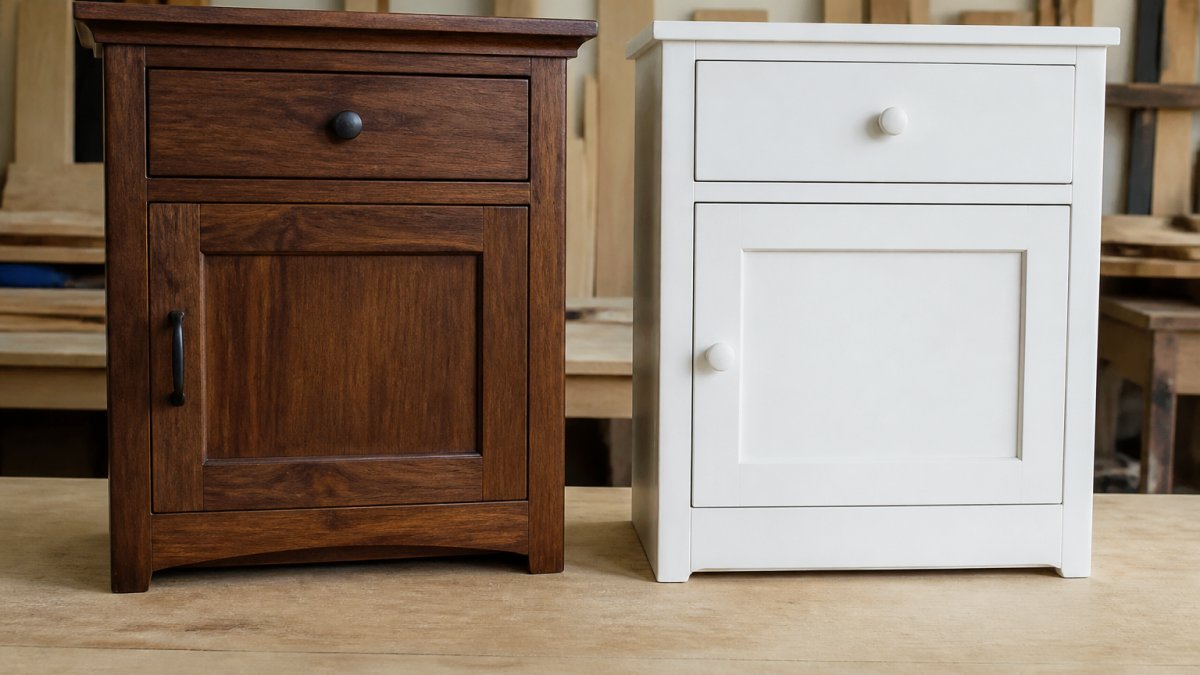
Material selection happens in parallel. You'll choose your wood species, each brings different characteristics in grain pattern, color, and durability. You'll select your finish, which protects the wood and defines the final appearance. Hardware choices follow: hinges, drawer slides, handles, and knobs. Each decision affects both function and aesthetics.
This phase typically takes several weeks. Rushing it leads to regret. Taking time to see samples in your actual lighting, to discuss proportions and details, and to refine your vision ensures the finished piece matches what you imagined.
Cabinet Construction and Quality Control
Once design is approved, construction begins. This is where craftsmanship becomes visible. Your cabinet maker cuts wood to exact specifications, assembles frames and panels, installs hardware, and applies finishes. Each step follows quality standards that mass-production simply can't match.
Quality control happens throughout, not just at the end. A craftsman inspects joints before assembly, verifies dimensions during construction, and tests functionality before finishing. The cabinet doors must close smoothly. Drawer slides must operate without binding. Hardware must sit flush and secure.
The construction timeline varies based on complexity and current workload. A straightforward kitchen cabinet run might take 8-12 weeks. A complex project with multiple rooms, special finishes, or intricate details could extend to 16-20 weeks. This is normal. Rushing custom work compromises quality.
Watch Out Demanding a faster timeline than realistic often results in corners being cut, rushed finishing, hardware installed hastily, or assembly done under pressure. Custom cabinetry that lasts decades requires time. If a timeline seems too short, it probably is.
Best Wood for Custom Cabinetry: Material Guide
The wood you choose defines your cabinetry's appearance, durability, and maintenance requirements. Understanding your options prevents costly mistakes and ensures your investment performs as expected.
Hardwood Species and Durability
Hardwoods are the standard for quality custom cabinetry. They're denser than softwoods, more resistant to denting and wear, and age beautifully over decades. The most common choices each have distinct characteristics.
Oak offers prominent grain patterns and warm tones. It's durable and relatively affordable. The open grain requires careful finishing but accepts stain beautifully. Maple provides a subtle grain and light color that works with virtually any design direction. It's extremely hard and resists damage well. Cherry brings rich color that deepens over time, creating a warm, sophisticated look. It's moderately hard and finishes to a smooth surface. Walnut delivers dark, dramatic appearance with fine grain. It's softer than oak or maple but still highly durable. Hickory shows dramatic grain variation and rustic character. It's very hard and takes stain unevenly, which some designers use for visual interest.
The wood you select should match your aesthetic preference and your home's design direction. It should also fit your maintenance expectations. Some woods show dust and water spots more readily than others. Some darken with age; others remain stable. Discussing these factors with your cabinet maker prevents surprises down the road.

Finishes That Protect and Enhance
The finish does more than make your cabinetry look good. It protects the wood from moisture, dust, and daily wear. A quality finish is the difference between cabinetry that looks new for decades and cabinetry that deteriorates quickly.
Polyurethane finishes are durable workhorses. They resist moisture and scratches well, making them ideal for kitchens and bathrooms. They come in various sheens from matte to high-gloss. Lacquer finishes dry quickly and provide a smooth surface. They're less forgiving of dust during application but cure to a hard, durable finish. Water-based finishes have become increasingly popular because they're low-VOC and environmentally friendly while still providing solid protection. They dry clear without the amber tint of oil-based products.
The number of coats matters significantly. A single coat provides minimal protection. Three to five coats build a durable finish that handles kitchen use, bathroom humidity, and everyday handling. Each coat must cure properly before the next is applied. This takes time, another reason custom cabinetry can't be rushed.
Cost of Custom Kitchen Cabinets: What Affects Your Investment
Understanding what drives pricing helps you make informed decisions about your custom cabinetry investment. Cost isn't arbitrary, it reflects the materials, labor, and complexity involved.
Factors That Influence Pricing
Several variables determine your final investment. Linear footage matters first. A small bathroom vanity costs less than a full kitchen's worth of cabinetry. Material selection affects price significantly. Exotic woods cost more than common hardwoods. Premium finishes and special hardware add to the total. Complexity drives cost upward. Simple box construction with standard doors costs less than intricate designs with curved elements, specialty hardware, or integrated features.
Custom sizing adds cost compared to semi-custom options. When your cabinet maker must create pieces specifically for your space rather than modifying standard components, labor increases. Integrated features like soft-close hinges, pull-out shelves, or specialty storage solutions increase both materials and labor. Timeline affects pricing too. Expedited work commands premium pricing because it disrupts the normal workflow.
For accurate pricing on your specific project, you need a professional consultation and detailed measurements. Generic price ranges found online rarely apply to actual custom work because the variables are too numerous.
Budget Planning and Payment Options
Approaching custom cabinetry budgeting requires thinking differently than buying retail furniture. You're not comparing unit prices, you're investing in a solution built for your specific space.
Start by understanding what custom cabinetry actually solves for you. Is it solving a space problem? Enabling a design vision? Improving functionality? Upgrading from worn-out cabinets? The answer clarifies whether the investment makes sense for your situation.
Get detailed quotes from experienced cabinet makers. A quote should itemize materials, labor, hardware, and finishing. It should specify timeline and payment terms. Most custom cabinetry makers require a deposit to begin work, with final payment due upon completion or delivery.
Don't chase the lowest price. Experienced craftspeople who've been in business for years charge more than newcomers, but their work lasts longer and their problem-solving prevents costly mistakes. Richard Gentry Designs' 25 years of experience means you're getting solutions refined through hundreds of projects, not experimental approaches on your dime.
Key Takeaway The real cost of custom cabinetry isn't just the purchase price, it's the value you get from pieces built exactly for your space, made from materials that last, and crafted with attention to detail that mass production can't match. Think in terms of decades of use, not just the initial expense.
Custom vs. Semi-Custom Cabinetry: Which Fits Your Needs
Understanding the difference between fully custom and semi-custom options helps you choose the right approach for your project.
Custom cabinetry is built entirely for your space. Measurements, dimensions, materials, finishes, and hardware are all specified for your exact requirements. Nothing is off-the-shelf. This approach solves any space challenge and delivers exactly what you envision. The tradeoff is cost and timeline. Fully custom work takes longer and costs more because every element is made specifically for you.
Semi-custom cabinetry starts with standard components that are then modified and assembled. You choose from a range of sizes, finishes, and options, but you're working within predetermined parameters. This approach costs less and has shorter timelines because much of the work involves assembly and customization rather than creation from scratch. The tradeoff is flexibility. If your space doesn't fit standard dimensions, or if your design vision requires something outside the available options, semi-custom won't work.
The right choice depends on your situation. If your space has unusual dimensions, if you need specific materials or finishes, or if your design vision is particular, custom cabinetry is the only real solution. If your space accommodates standard sizes reasonably well and you're flexible on design direction, semi-custom might be sufficient and more budget-friendly.
Maintenance and Care for Custom Cabinetry
Your custom cabinetry will last decades if you maintain it properly. Understanding the basics prevents damage and keeps your investment looking excellent.
Regular dusting with a soft, dry cloth removes dust before it settles. For kitchen cabinetry, a slightly damp cloth works for light cleaning. Avoid excessive moisture, water is wood's enemy. Spills should be wiped up immediately. For bathroom cabinetry, ensure good ventilation to manage humidity. Run the exhaust fan during and after showers.
Hardware tightens over time with use. Check hinges and handles periodically and tighten any loose screws. Drawer slides benefit from occasional lubrication with silicone spray. Avoid oil-based lubricants, which attract dust.
Finishes need periodic care depending on type. Polyurethane and lacquer finishes benefit from occasional polishing with furniture polish made for wood. Water-based finishes require gentler care, use products specifically formulated for them. Never use harsh chemicals or abrasive cleaners, which damage finishes and expose wood underneath.
Avoid placing hot items directly on cabinetry surfaces. Use trivets for pots and pans. Keep moisture away from wood edges where water can penetrate and cause swelling. In kitchens, ensure proper ventilation above cooking surfaces to manage steam and grease.
With basic care, custom cabinetry made from quality materials and finished properly will serve your home beautifully for 30 years or more. The investment compounds in value as pieces age gracefully.
Custom cabinetry represents a fundamental shift from accepting what's available to creating what you actually need. When you work with an experienced craftsperson like Richard Gentry Designs, you're not just buying furniture, you're solving space challenges, realizing design visions, and investing in pieces built to last. With over 25 years of artisan experience, custom solutions that fit your exact specifications, and a commitment to master craftsmanship, Richard Gentry Designs transforms homes with cabinetry designed specifically for you. Get started with a consultation to explore how custom cabinetry can solve your space and design needs.
Frequently Asked Questions
What is the difference between stock, semi-custom, and custom cabinets?
Stock cabinets are mass-produced in standard sizes and finishes, offering the lowest cost but limited customization. Semi-custom cabinets provide more finish and hardware options while maintaining standard dimensions. Custom cabinetry is built specifically for your space, allowing complete control over dimensions, materials, finishes, and hardware. For homes with unusual layouts or specific design visions, custom cabinetry solves problems that stock and semi-custom options cannot address.
How long does the custom cabinet design and installation process take?
Timeline varies based on project scope and complexity. Initial consultation and design typically takes 2-4 weeks. Cabinet construction can range from 4-12 weeks depending on wood selection, finish complexity, and current workload. Installation usually takes 1-2 weeks. Most projects from start to finish take 3-4 months. Discuss your timeline during the initial consultation, experienced craftsmen can sometimes accelerate schedules for urgent renovations.
How do I choose the right wood species for my custom cabinets?
Select wood based on durability, appearance, and budget. Harder woods like oak and maple resist dents and wear better in high-traffic kitchens. Cherry and walnut offer rich, distinctive aesthetics. Softer woods like pine cost less but show wear more quickly. Consider your home's style, traditional homes suit cherry or oak, while modern spaces work with maple or walnut. Your cabinet maker can show samples and discuss how different species perform with various finishes.
What are the benefits of choosing local artisan cabinetry over big-box stores?
Local artisan makers offer personalized service, precise craftsmanship, and solutions tailored to your exact space and vision. They stand behind their work with accountability you don't get from mass manufacturers. Artisan-made cabinetry uses quality materials and construction methods that last decades. You avoid the frustration of off-the-shelf pieces that don't fit awkward spaces or match your design intent. Direct communication with the craftsman ensures your specific needs are understood and met.
SHOP
This article was written using GrandRanker
Comments