


.png)

Bespoke Furniture Design Trends 2026: What's In
Table of Contents
Sculptural and Organic Forms Lead Bespoke Furniture Design Trends 2026
The Shift Toward Natural Materials and Textural Finishes
Warm Minimalism and Multifunctional Design for Contemporary Living
The Custom Furniture Design Process: From Vision to Finished Piece
Heirloom Quality Furniture Standards: What Sets It Apart
How to Pick the Best Wood for Outdoor Farm Tables
Budgeting for Bespoke vs. Mass-Market Furniture
Conclusion: Invest in Pieces That Last
Frequently Asked Questions
Last Updated: September 7, 2026
Sculptural and Organic Forms Lead Bespoke Furniture Design Trends 2026
The defining characteristic of bespoke furniture design trends 2026 is a decisive shift away from rigid, straight-lined mass production toward sculptural, organic forms that command a room. Tables with flowing edges, chairs with soft silhouettes, and sideboards that feel like modern art signal a desire for pieces with genuine presence, not just utility.
At Richard Gentry Designs, we have tracked this evolution over our 25 years in the workshop. The aesthetic captures a sense of movement and softness in solid wood. A dining table is no longer just a flat surface; it is a central sculpture that anchors the living space, inviting touch and conversation.
Key Takeaway The core of the 2026 trend is simple: furniture should look as good from across the room as it does up close. It is about making a statement with organic shapes that feel both modern and timeless.
The Shift Toward Natural Materials and Textural Finishes
This move toward organic shapes is paired with a deep appreciation for natural materials and textural finishes. The focus is on authenticity, where the inherent beauty of the wood does the talking. Designers and homeowners gravitate toward aged woods with visible character, rich grain patterns, and finishes that feel good to the touch rather than looking perfectly polished.
This is where bespoke craftsmanship truly shines. Mass-market pieces use veneers to imitate solid wood, but a custom piece celebrates the real thing. The tactile quality of a live edge, the variation in grain, or the warmth of a hand-rubbed oil finish cannot be replicated by a machine. This preference aligns with a broader movement toward sustainability, where a durable, natural piece is a more responsible choice than disposable, mass-produced furniture.

Warm Minimalism and Multifunctional Design for Contemporary Living
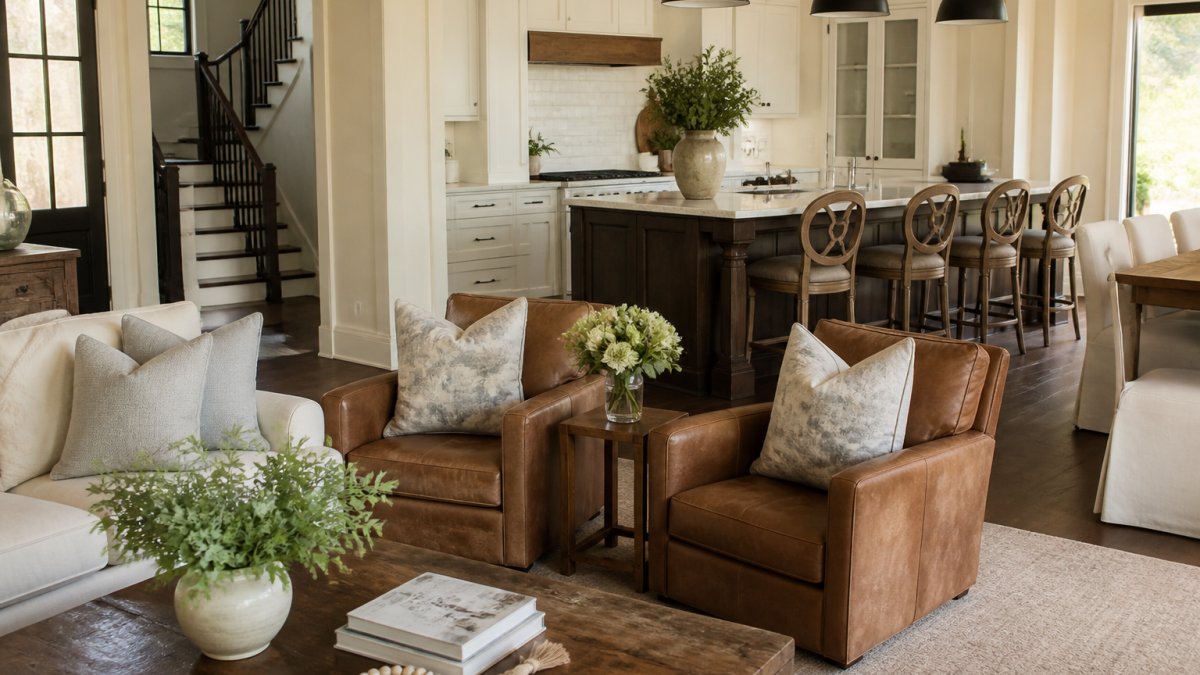
The minimalist aesthetic of the last decade is not disappearing, but it is warming up considerably. Warm minimalism creates calm, uncluttered spaces that feel inviting rather than stark, through rich wood tones, textural fabrics, and multifunctional design. A single, well-crafted piece now often serves multiple purposes, adapting to contemporary living.
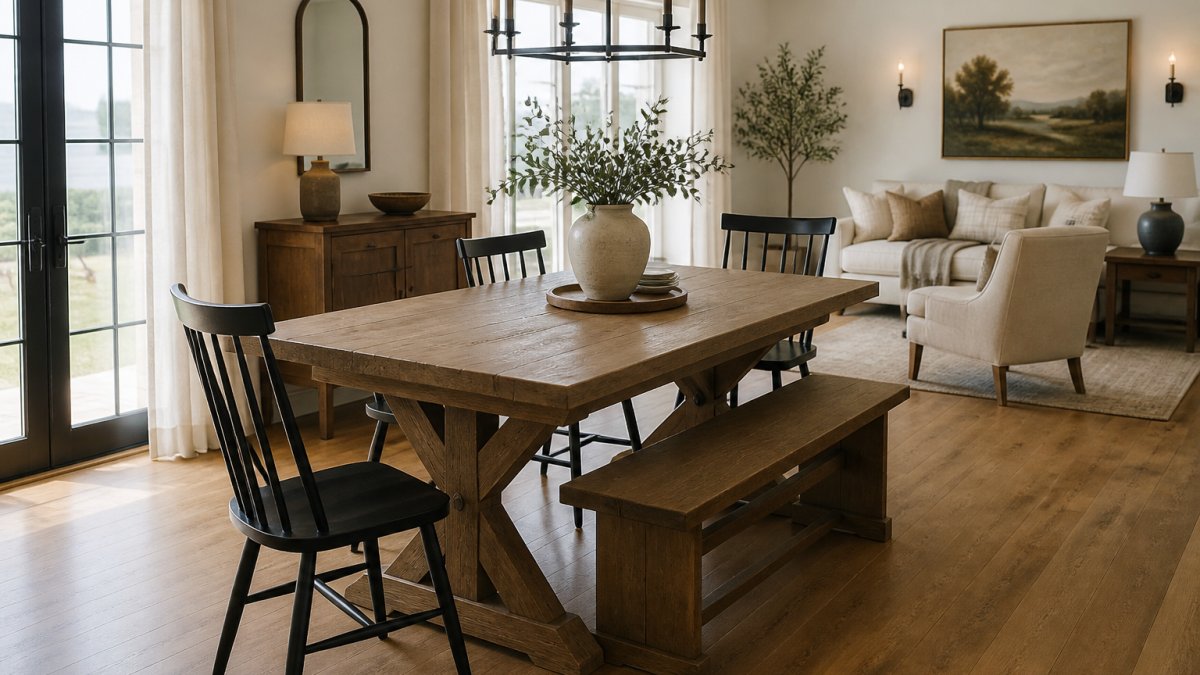
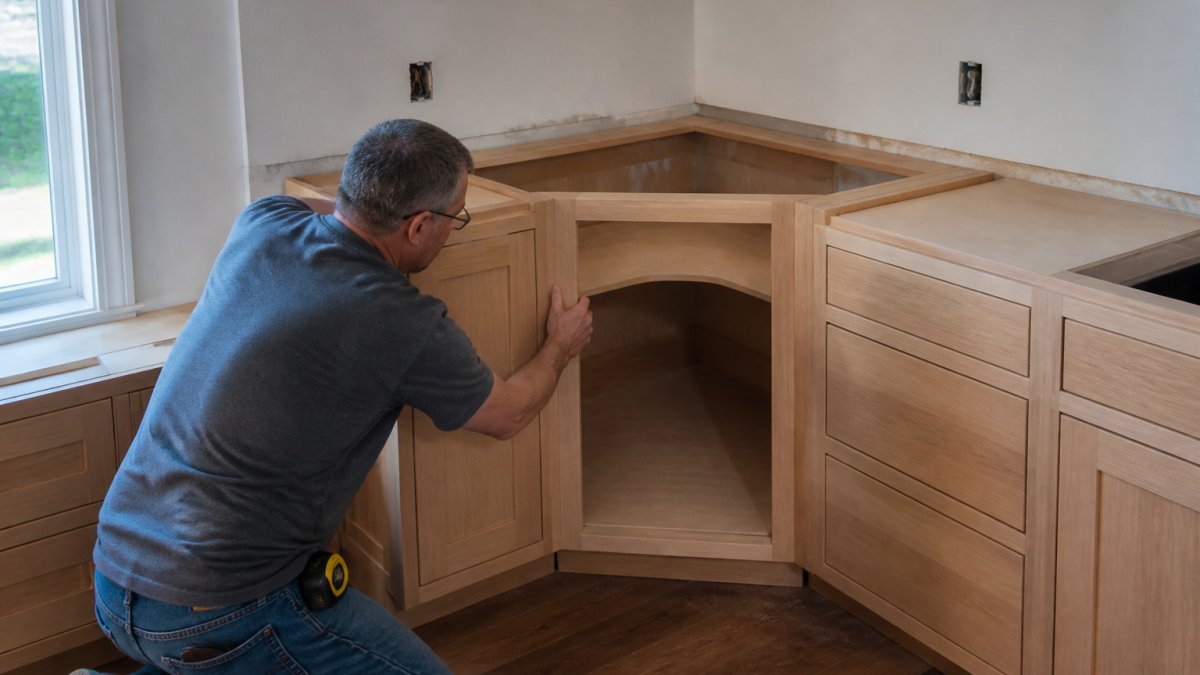
This trend toward practicality is where custom furniture becomes a powerful solution. A bench might double as storage, or a table might have leaves to accommodate both intimate dinners and large gatherings. For smaller homes or awkward spaces, a custom piece can fit a specific corner perfectly, maximizing function and flow.
The Custom Furniture Design Process: From Vision to Finished Piece
The custom furniture design process is a structured collaboration with distinct phases. Understanding these stages before you start will save you time, money, and frustration.
Phase 1: The Initial Consultation (Week 0-2)
This is not a sales call; it is a discovery session. A skilled designer or craftsman will ask about your spatial constraints, daily use, aesthetic references, and non-negotiables. Come prepared with measurements, photos, and examples of forms or finishes you admire. Ask questions like:
What wood species do you recommend for my specific use case and climate?
How do you handle design revisions, and how many are included in the quoted price?
Can you provide references from projects with similar complexity?
Phase 2: Design Development and Quoting (Week 2-4)
After the consultation, the craftsman translates your conversation into technical drawings, often including scale renderings or 3D models. Scrutinize joinery details, edge profiles, and finish options. A reputable shop provides a detailed itemized quote separating materials, labor, and finishing costs. Be wary of quotes that arrive within 24 hours without a design phase, this signals a template approach, not true bespoke work.
Phase 3: Material Selection and Milling (Week 4-6)
Once you approve the design and deposit, the shop selects and mills the lumber. Ask to see the actual boards. Wood has significant variation in grain and color; a skilled craftsman will book-match or grain-match pieces to create a cohesive look. Some shops send photos of your selected boards for approval before cutting, a sign of a transparent operation.
Phase 4: Construction and Finishing (Week 6-12+)
Depending on complexity, construction takes four to eight weeks. Finishing alone can add two weeks, as quality finishes require multiple coats with proper curing time. Reputable shops send progress photos at key milestones: joinery assembly, before finishing, and final inspection. Veneer work or intricate carving extends the timeline.
Phase 5: Delivery and Installation
Unlike retail furniture that arrives in a box, bespoke pieces often require white-glove delivery. For large items like dining tables or built-in cabinetry, the shop should assess site access, measuring doorways, stairwells, and elevator dimensions before the piece leaves the workshop.
Pro Tip A common mistake is starting the furniture commission process too late in a renovation timeline. Begin discussions with your craftsman as soon as your layout and dimensions are finalized to ensure your piece is ready when you need it. A good rule of thumb: for a dining table, start the conversation at least 10-12 weeks before you need it; for complex cabinetry, allow 16-20 weeks.
A well-managed commissioning process should feel like a partnership, not a transaction. The right designer will challenge your assumptions, offer alternatives you had not considered, and deliver a piece that exceeds your expectations.
Heirloom Quality Furniture Standards: What Sets It Apart
The phrase "heirloom quality" is often overused, but it describes a specific standard of construction. Heirloom quality furniture standards go beyond appearance; they are defined by how a piece is built to withstand decades of daily use. This starts with time-honored joinery techniques, such as mortise-and-tenon joints, which are mechanically stronger than screws and glue (woodmagazine.com). It also involves fully seasoned, solid hardwoods that can be repaired and refinished over time, unlike veneers.
What separates a true heirloom piece from merely well-made furniture is its maintainability. A piece built to last generations can be restored, not just cleaned.
Maintenance and Care for Bespoke Materials
Owning a fine wood piece requires a different maintenance approach than mass-market furniture. Here is what practitioners recommend:
Daily and Weekly Care
Dust regularly with a soft, lint-free cotton cloth. Avoid feather dusters, which can scratch delicate finishes over time.
Use coasters and felt pads under objects. Heat and moisture are the two primary enemies of fine finishes.
Wipe spills immediately with a slightly damp cloth, then dry the surface immediately. Never let water sit on an oil-finished surface.
Seasonal Maintenance
Maintain indoor relative humidity between 35% and 45% year-round. Wood is hygroscopic, it absorbs and releases moisture, causing expansion and contraction. Central heating in winter and air conditioning in summer can dry out wood, leading to cracks. A humidifier in winter and a dehumidifier in humid summer months will protect your investment.
Apply a quality furniture wax or oil-based polish twice a year. For oil-finished pieces, a simple mixture of mineral oil and beeswax works well. For lacquered or varnished surfaces, use a cleaner specifically formulated for that finish.
Repair and Refinishing
Minor scratches on oil-finished surfaces can often be buffed out with fine steel wool and reapplied oil.
Water rings on shellac or lacquer finishes may require professional attention, but some can be removed with a mild abrasive compound.
Deep scratches, dents, or finish failures should be addressed by a professional. The advantage of solid wood construction is that the piece can be sanded and refinished multiple times over its life. A veneered piece cannot.
The 10-Year Test
A useful mental model is the 10-year test. After a decade of use, will this piece look better or worse? A well-maintained solid wood table develops a patina, a depth of color and softness of sheen that cannot be faked. A veneered retail piece will likely show edge wear, delamination, or finish failure within that timeframe.
Watch Out Do not use silicone-based polishes on fine furniture. They create a temporary shine but leave a residue that prevents future refinishing and can cause finishes to cloud over time. Stick to waxes and oils specifically formulated for wood.
This is the critical difference between a piece that lasts for generations and one that falls apart in five years. A truly heirloom-quality piece is an investment in longevity. The materials are premium, the construction is strong, and the design is timeless. When you choose a piece built to these standards, you are not just buying furniture; you are creating a future family artifact, one that rewards care with decades of service and beauty.
How to Pick the Best Wood for Outdoor Farm Tables
Choosing how to pick the best wood for outdoor farm tables requires a different set of criteria than indoor furniture. The primary challenge is the elements: moisture, UV rays, and temperature fluctuations. You need a wood that is naturally rot-resistant and stable, which is why species like teak, white oak, and black locust are often recommended.
While a walnut farm table is stunning indoors, it would require significant maintenance outdoors. For a table that will live on a patio or porch, select a species known for outdoor durability and have it crafted with a finish designed for exterior exposure (fs.usda.gov). A custom builder can offer guidance for your specific climate.
Material | Best Use | Key Consideration |
Solid Walnut | Indoor Dining & Desks | Rich color, ages beautifully indoors |
White Oak | Indoor & Outdoor | Durable, water-resistant, versatile grain |
Reclaimed Chestnut | Indoor Statement Pieces | Historic character, stable after 100+ years |
Teak | Outdoor Only | Naturally weather-resistant, high oil content |
Budgeting for Bespoke vs. Mass-Market Furniture
The most common question we hear is about the cost difference between a custom piece and something from a retail store. Budgeting for bespoke vs. mass-market furniture involves understanding that you are paying for materials, time, and skill, not just a finished object. A mass-market table is often made from engineered wood or lesser hardwoods with a photographic veneer, designed to look good for a few years. In contrast, a bespoke table is an investment in solid materials and master craftsmanship.
The price of a custom table reflects the cost of premium lumber, the hours of skilled labor in hand-cutting joints and applying finishes, and the personal attention to your design. While the upfront cost is higher, the value proposition changes when you consider longevity. A well-built custom table can last for generations, making its cost per year of use lower than a disposable retail piece that needs replacing every decade (extension.iastate.edu).
Watch Out Do not make the mistake of comparing a solid wood custom table to a veneered retail piece based on price alone. You are comparing two different categories of goods. The custom table is an investment; the retail piece is a consumable.
Conclusion: Invest in Pieces That Last
The bespoke furniture design trends 2026 point toward a future where we value authenticity, craftsmanship, and longevity over disposable consumerism. The movement toward sculptural forms, natural materials, and multifunctional design reflects a deeper desire for homes filled with meaning and quality. As you plan your next renovation, consider investing in a piece made to last, both in style and construction.
Choosing a custom piece is a commitment to a different way of living with your belongings. It is about surrounding yourself with objects that have a story and a soul, crafted by hand to serve you for decades. When standard sizes fail and your vision is specific, the solution is not to compromise but to commission.
At Richard Gentry Designs, we believe that quality, specific design, and precise sizing should never be a compromise. With over 25 years of artisan experience, we build custom, hand-crafted wood furniture tailored to your unique vision and space. From farm tables and desks to cabinetry and beds, we invite you to explore how our master craftsmanship can transform your home. Get started with Richard Gentry Designs and invest in a piece that is truly yours. SHOP
Frequently Asked Questions
What defines bespoke furniture in modern interior design?
Bespoke furniture is custom-made to your exact specifications, dimensions, and design vision. Unlike mass-produced pieces, a bespoke item is designed around your space, style, and functional needs. In 2026, this means furniture that reflects current trends like sculptural forms or natural materials while remaining uniquely yours. The result is a one-of-a-kind piece that fits perfectly and stands out from anything found in a retail showroom.
Why is custom-made furniture becoming more popular in 2026?
Homeowners are moving away from disposable, mass-market furniture and toward pieces built to last. Custom-made furniture offers superior craftsmanship, better materials, and a perfect fit for awkward spaces. Bespoke furniture design trends 2026 emphasize sustainability and longevity, making a custom piece a smart investment. With heirloom quality standards, a custom table or desk can serve your family for generations, offering better value than replacing cheaper furniture every few years.
How does bespoke furniture contribute to sustainable home design?
Bespoke furniture supports sustainability by reducing waste. Each piece is built to order, so there is no overproduction or unsold inventory. Craftsmen source quality hardwoods responsibly, and the finished product is designed to last decades, not years. Investing in a custom piece means fewer items end up in landfills. Choosing a local artisan also cuts shipping emissions, making bespoke furniture a responsible choice for eco-conscious homeowners.
What design elements characterize luxury custom furniture in 2026?
Luxury custom furniture in 2026 is defined by sculptural silhouettes, organic curves, and rich natural materials. Designers are favoring warm minimalism, where clean lines meet textural finishes like aged woods and burl veneers. Artisanal craftsmanship is central, with visible joinery and hand-finished details signaling quality. Multifunctional pieces that adapt to modern living spaces are also highly sought after, blending aesthetic beauty with practical versatility.
SHOP
Comments