


Are Local Artisan Furniture Pieces Worth It?
Last Updated: October 24, 2026
Quick Summary
Local artisan furniture is designed and built by a maker in your region, made to order for a specific space and measured to fit it. The benefits are fewer compromises, joinery you can inspect before you pay, and pieces that fit your room rather than a national catalog average.
Local artisan furniture is made to order for a specific space and measured to fit it.
Inspect joint tightness, grain continuity, drawer action, finish feel, and the underside before buying.
Our pieces range from $1,400 for a pair of side tables up to $6,500 for a large dining table.
Start the furniture conversation when you start talking to your contractor, not after the floors are done.
Measure door clearance and drawer pull space, not just the footprint, for small spaces.
Table of Contents
Why Local Artisan Furniture in Nashville Changes the Room
Craftsmanship You Can Inspect: What Hand-Built Wood Furniture Gets Right
Custom Furniture Cost: What You Actually Pay For
Inside the Custom Furniture Design Process
Custom Furniture Lead Time: How Long a Handmade Piece Takes
Custom Furniture for Small Spaces and Awkward Corners
The Aesthetic Edge: Wood, Finish, and Proportion
Start Your Custom Piece with Richard Gentry Designs
Frequently Asked Questions
Why Local Artisan Furniture in Nashville Changes the Room
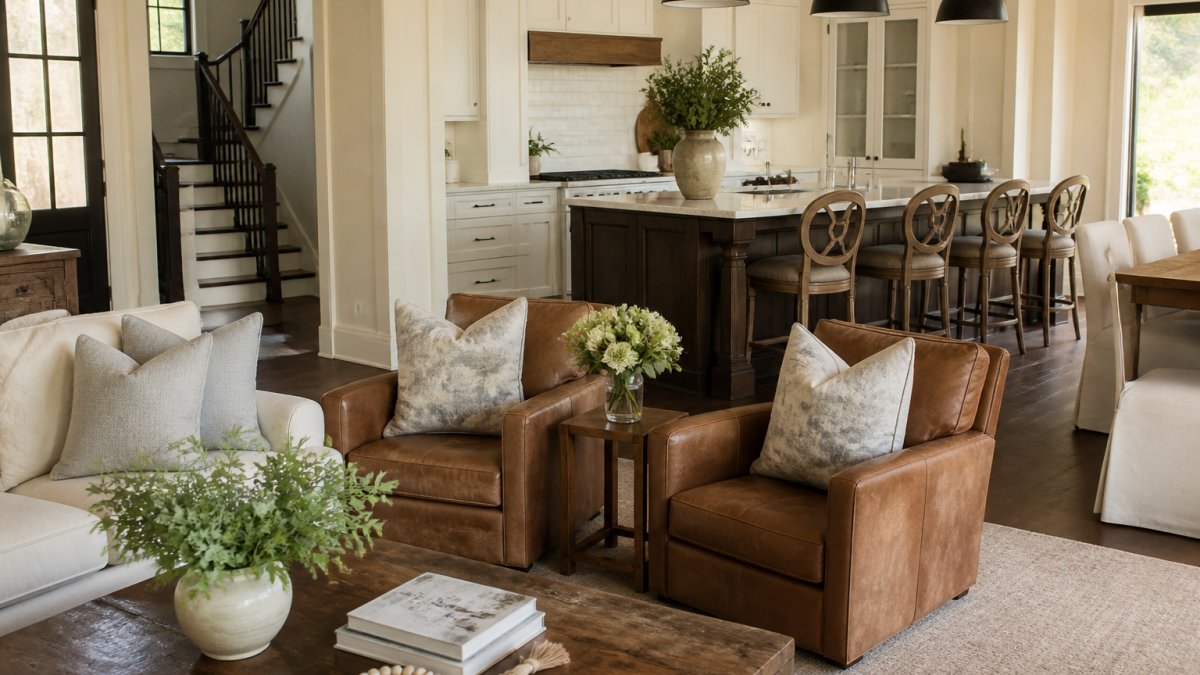
Walk into a room anchored by a hand-built walnut table and something shifts. The proportions sit right. The grain runs where your eye expects it. That effect is what the benefits of local artisan furniture in Nashville come down to: a piece made for one specific room, not averaged across a national catalog. At Richard Gentry Designs, we have spent more than 25 years building furniture this way, and the difference shows up the moment a piece lands in the space it was measured for.
Mass-market furniture is designed for a warehouse pallet and a showroom floor. Local artisan work is designed for your doorway, your ceiling height, and the way light falls through your windows at 4pm. That is a different design brief entirely.
Local artisan furniture is furniture designed and built by a maker in your region, made to order for a specific space and measured to fit it.
The practical result: fewer compromises. A table that seats eight without crowding the walkway. A desk that clears the window casing. A built-in that turns a dead corner into storage you actually use.
Craftsmanship You Can Inspect: What Hand-Built Wood Furniture Gets Right

The biggest advantage of buying locally is that you can look at the joinery before you pay for it. Mass-produced pieces hide their construction behind veneer and glue. Hand-built work puts it on display.
Here is what to check when you inspect a piece:
Joint tightness. Run a fingernail along a seam. A hairline gap that catches means the joint will open further with seasonal humidity swings.
Grain continuity. On a quality top, grain patterns flow across boards rather than jumping at every seam.
Drawer action. Pull a drawer out and push it back with one finger. It should glide without racking side to side.
Finish feel. A hand-rubbed finish feels dry and smooth, not plastic. Run your palm across it; tackiness signals a rushed topcoat.
Underside and back. Makers who care about the visible faces usually finish the hidden ones too.
A common mistake is judging a piece by the showroom lighting. Ask to see it near a window. Natural light exposes sanding marks and uneven finish that overhead bulbs conceal.
Custom Furniture Cost: What You Actually Pay For
Custom furniture cost reflects materials, labor hours, and the design work that happens before a saw touches wood. It is not a markup on a retail price; it is the price of building one piece instead of ten thousand.
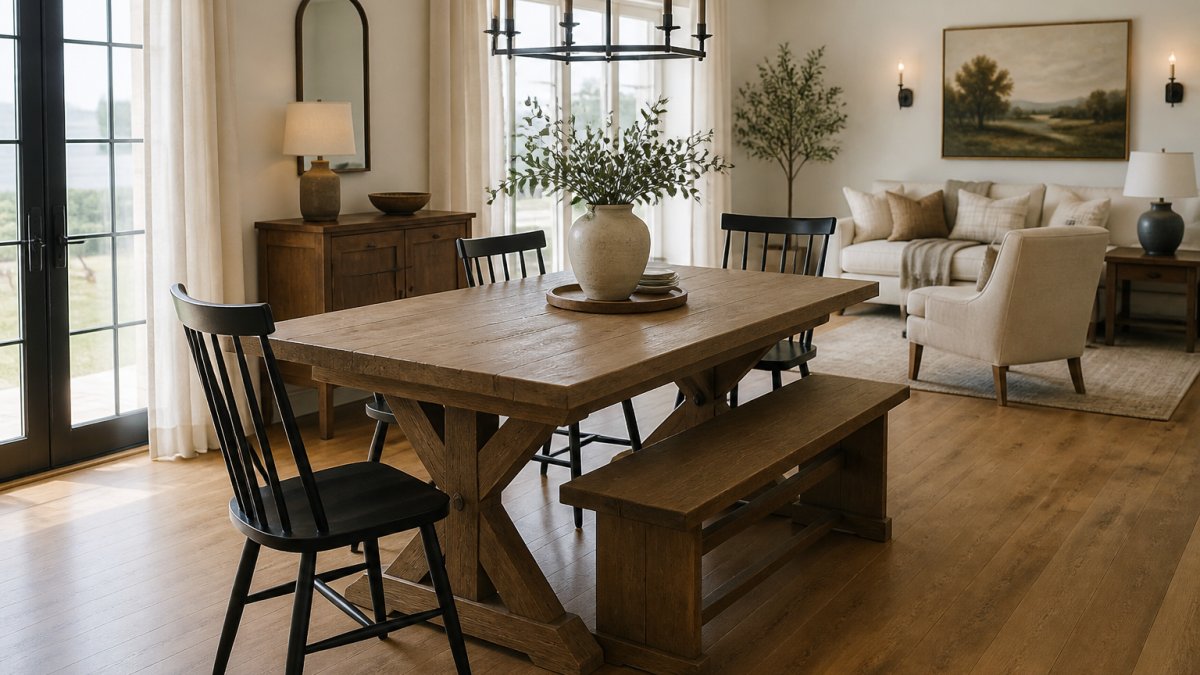
Our own pieces range from $1,400 for a pair of English walnut oval side tables up to $6,500 for a large ambrosia or walnut-and-ebony dining table. A real walnut farm table sits at $2,850. An artisan desk in flame walnut runs $2,850, and a Carpathian elm burl desk is $3,400.
Compare that to a $2,000 store-bought table and the gap looks wide. Then do the math over time. A mass-market table that fails in five years costs $400 a year. A hand-built table that lasts forty years costs a fraction of that annually, and it can be refinished rather than replaced.
What you are really buying:
Material thickness. Solid stock instead of particleboard with a photo of wood on top.
One maker's attention. The same hands from rough cut to final rub.
Fit to your room. No filler pieces, no awkward gaps.
For a fuller breakdown of the long-term math, see our heirloom quality furniture cost-benefit analysis.
Here is what our own pieces cost, from side tables to large dining tables.
Piece | Price | Note |
Pair of English walnut oval side tables | $1,400 | Entry point of our range |
Real walnut farm table | $2,850 | Solid walnut |
Artisan desk in flame walnut | $2,850 | Hand-built desk |
Carpathian elm burl desk | $3,400 | Burl material |
Large ambrosia or walnut-and-ebony dining table | $6,500 | Top of our range |
Inside the Custom Furniture Design Process
The custom furniture design process starts with a conversation about the room, not a catalog page. We ask what the piece needs to do, who uses the space, and what already lives in it. Measurements come next, then a design conversation about wood species, proportion, and finish.
From there the sequence is straightforward:
Consultation. Share photos, dimensions, and how you want the room to feel.
Design and quote. We propose a design and a fixed price before any work begins.
Material selection. Walnut, ash, chestnut, or elm, chosen for grain and character.
Build. Milling, joinery, assembly, and finishing happen in sequence.
Delivery and placement. The piece arrives finished and ready to use.
Clients often ask what happens if the finished piece is not what they pictured. That is why the design stage exists: you approve the plan before construction. A maker who skips that step is asking you to trust a surprise.
If you want the full walkthrough before you start, our guide on how to commission custom wood furniture covers contracts, deposits, and timelines step by step.
Custom Furniture Lead Time: How Long a Handmade Piece Takes
Custom furniture lead time depends on the piece, the material, and the shop's current queue. A side table moves faster than a ten-foot dining table with a hand-shaped base. A piece built from stock lumber moves faster than one waiting on a specific burl slab.
Plan for weeks, not days. If your renovation finishes in three months, start the furniture conversation at the same time you start talking to your contractor, not after the floors are done. Makers who book out will not compress a build to rescue a late start, and rushing a finish is how pieces get ruined.
Two things speed a project up:
Deciding early. Wood selection and design approval are the slowest steps to schedule around.
Being flexible on species. Some woods are easier to source in the thickness and width you need.
Watch out: ordering furniture after the renovation is complete is the single most common scheduling mistake we see. The room sits empty for weeks while the piece is built.
Custom Furniture for Small Spaces and Awkward Corners
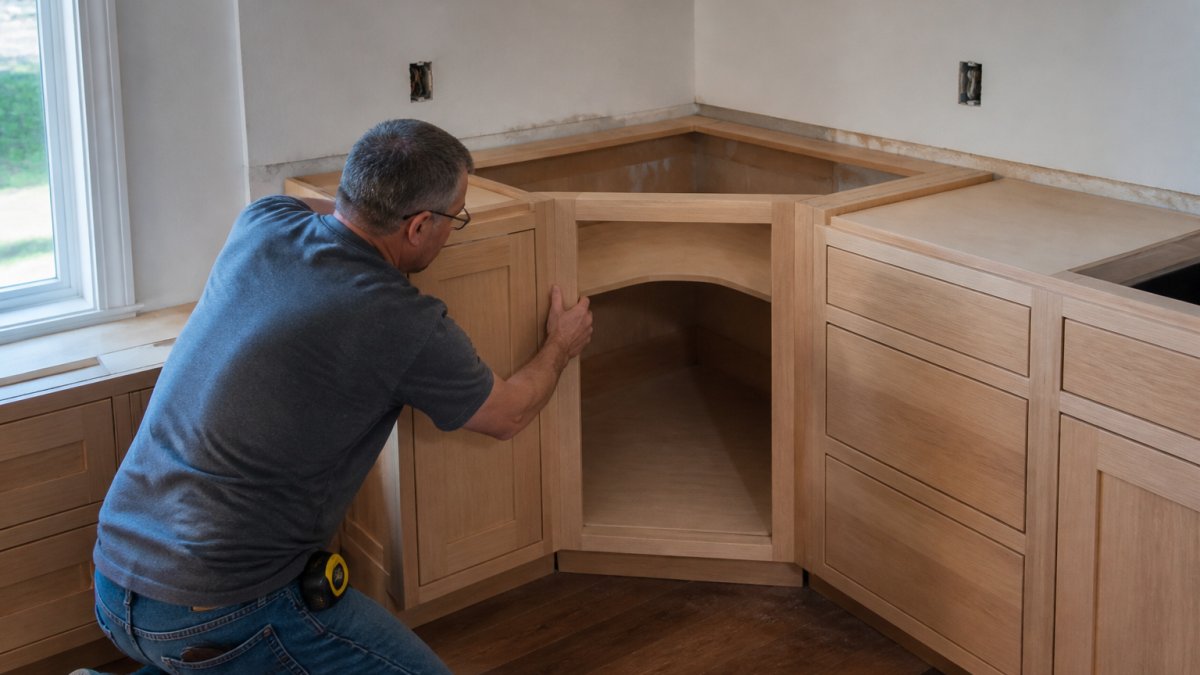
Custom furniture for small spaces solves a problem retail cannot: the room is not a rectangle. Condos with angled walls, attic rooms with sloped ceilings, and narrow galley kitchens all defeat standard sizing.
A built-in bench that follows a sloped wall reclaims floor space. A desk cut to fit between two windows turns a dead alcove into a workspace. A side table sized to a specific sofa arm looks intentional instead of squeezed.
The design rules we work from:
Measure the swing, not just the footprint. Door clearance and drawer pull space matter as much as width.
Go vertical. Tall, shallow shelving stores more in less floor area than a deep low unit.
Choose multi-purpose pieces. A bench with storage underneath earns its square footage twice.
For more layout ideas, our guide to small space storage furniture solutions walks through the options.
The Aesthetic Edge: Wood, Finish, and Proportion
Proportion is the quiet reason hand-built furniture looks better in a room. A table that is two inches too tall reads wrong from the doorway, and no styling fixes it. Custom work lets us set height, depth, and taper to the room's actual dimensions.
Wood choice carries the rest. Walnut gives depth and warmth. Ash reads lighter and more modern. Chestnut and elm bring character and history. A hand-rubbed finish lets the grain show through instead of sealing it under a plastic film.
The result is furniture that looks like it belongs to the house rather than arriving with it.
Start Your Custom Piece with Richard Gentry Designs
The gap between a room that works and a room that fights you usually comes down to one or two pieces that do not fit. Fixing that means measuring the space, choosing the wood, and having someone build to the number instead of to a catalog spec.
That is the work we do. Richard Gentry Designs builds custom, hand-crafted wood furniture tailored to your specific design and size requirements, backed by more than 25 years of artisan experience. Every piece is made to your vision, whether that is a farm table, a desk, cabinetry, or a bed. We serve Nashville and Middle Tennessee, and we start every project with the room itself.
Get started with Richard Gentry Designs and commission a piece built for the space you actually live in.
Frequently Asked Questions
What are the benefits of buying furniture from a local artisan?
Local artisan furniture is built to your room's measurements and your design, not a catalog's standard dimensions. You can inspect the joinery, ask about the wood, and talk to the person making the piece. A local maker also stands behind the work, so repairs or adjustments are a conversation, not a customer service ticket. For Nashville homeowners, that means a piece that fits the space and holds up to daily use.
Is custom-made furniture worth the cost?
Custom furniture cost reflects materials, labor, and the time spent designing around your space. At Richard Gentry Designs, pieces range from a $1,400 pair of English walnut oval side tables up to a $6,500 ambrosia or walnut-and-ebony dining table, with desks and other pieces in between. Compare that to a $2,000 retail piece that may need replacing in a few years. If you want a specific size, a specific wood, and a piece you keep, the math often favors custom.
How long does it take to have a custom furniture piece made?
Custom furniture lead time depends on the piece, the wood, and the current shop schedule. A dining table or desk typically takes several weeks from approved design to delivery, and complex builds take longer. If your renovation has a deadline, share it at the first conversation. Richard Gentry Designs can tell you what is realistic before you commit, so the piece arrives when the room is ready.
Can a furniture maker build a piece to fit a specific room?
Yes. Custom furniture for small spaces is one of the main reasons people go to an artisan. A maker takes the actual measurements of your corner, alcove, or narrow dining area and builds to those numbers, including clearance for baseboards, outlets, and chair pull-out. That is how a condo with awkward angles gets a table or desk that looks like it was made for the room, because it was.
Ready to see what a made-to-measure piece looks like in your home? Browse our collection of dining tables, desks, and side tables, then tell us about the room.
SHOP
Add richardfgentry.com as a preferred source on Google →
Comments